At DeCorazón México, we are passionate about celebrating and preserving the rich artisanal traditions of our country. Today, we will dive into the fascinating history and cultural significance of an object full of history and art: the bule. We will learn about its origin, evolution and the artisanal technique that makes it a unique and highly skilled piece of Mexican folk art.
Table of Contents
What is a Bule? A look at its botanical origin
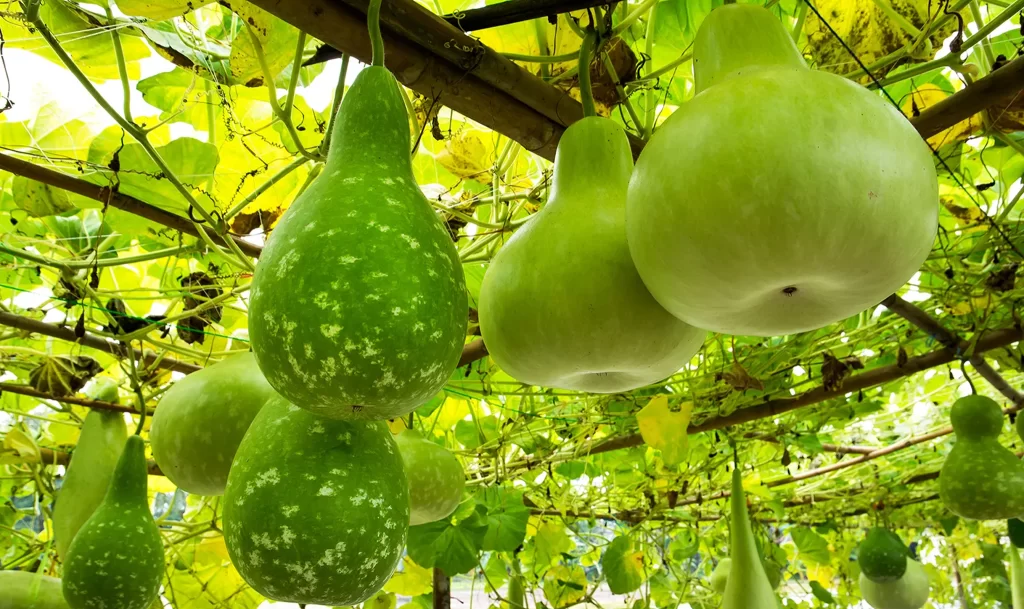
A bule is, in essence, a container made of gourd, of the species Lagenaria siceraria, also known as calabaza vinatera. Although, besides being called bules, they also receive the names of huaje, guaje or tecomate, reminding us of the diversity of uses and meanings associated with them (Prado Vázquez,2023, p.102). This plant, originally from Africa, arrived in America thousands of years ago and adapted perfectly to our climate and culture. According to Prado Vázquez, the buel is a climbing plant whose fruits have different shapes and variable dimensions depending on their maturity. This diversity allows the artisan to explore his creativity and ensures that each piece is unique (p. 102, 2023).
History of the Bule: from antiquity to the present day
The history of the bule dates back to pre-Hispanic times, where it was mainly used to store seeds, water and other liquids. Its natural shape and its ability to keep water cool made it an essential element in daily life. In some cultures, they were even used in rituals and ceremonies. Over time, bules acquired artistic value, incorporating designs and decorative techniques that reflected the worldview and traditions of each region. Today, bules continue to be appreciated for their cultural and aesthetic value, becoming collector’s items and unique decorative elements. The bule, as a Mexican handicraft, has transcended borders. It is not limited to represent a single state of the Republic, but in each region they are made with their own styles and a distinctive seal. Guerrero, Sinaloa, Morelos, Michoacán and many other states have particular traditions in the creation of these pieces, which enriches the cultural diversity of the bule.
The handmade process of the bule
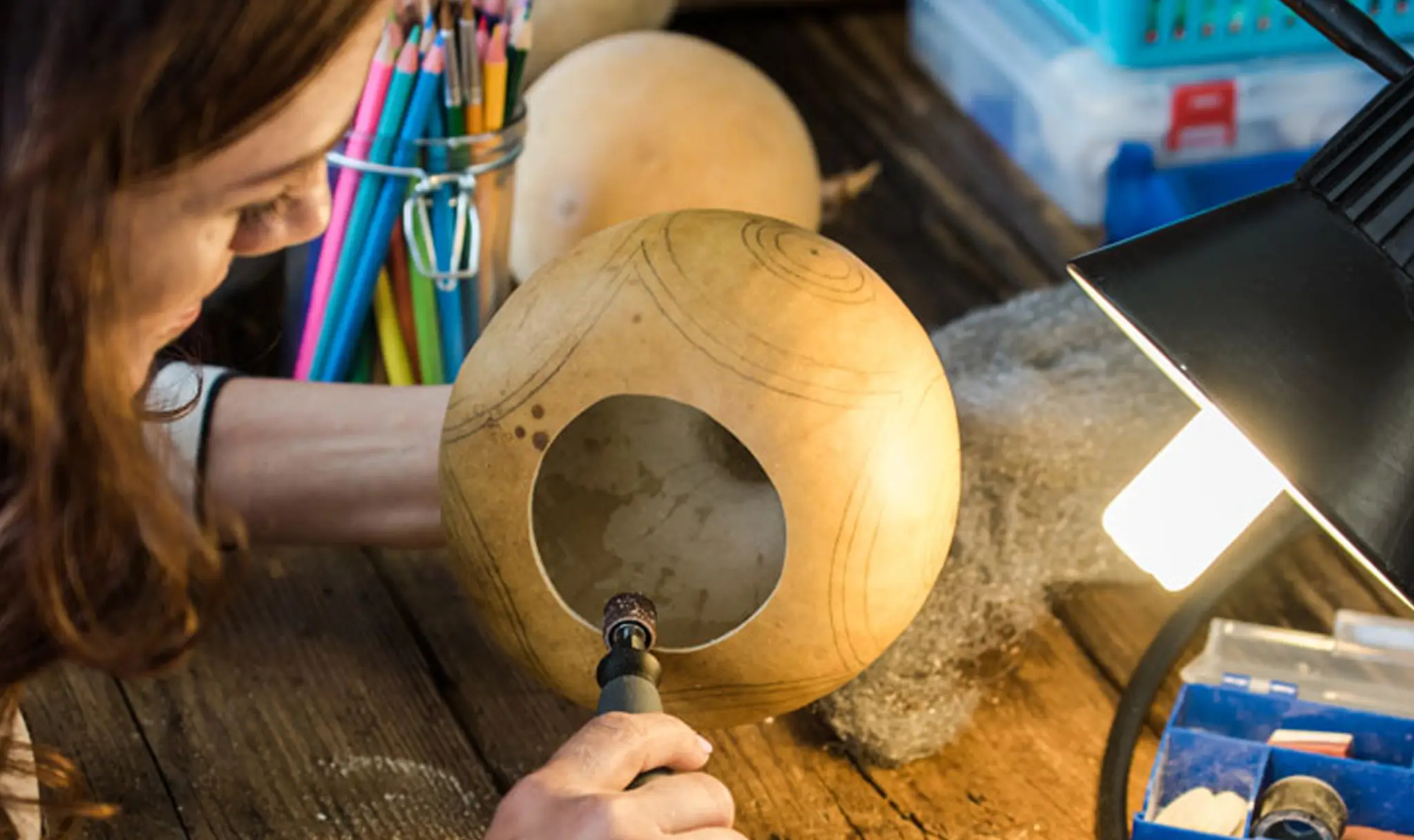
The fruit must be carefully prepared prior to the start of the machining process. After being harvested at the desired size, it is left to dry for a year. Then, the artisan traces guides with a compass or chain to mark cuts to create a tight-fitting lid. Once the gourd is opened, fibers and seeds are removed, and the inside is scraped until it is completely smooth. If the outer surface is uneven, it is filed and sanded to obtain uniformity. The smoother the piece is, the better the quality of the finish, which translates into a more intense shine in the maqueado (Prado Vázquez, 2023, p.102).
The technique of “Maque and Lacquer”.
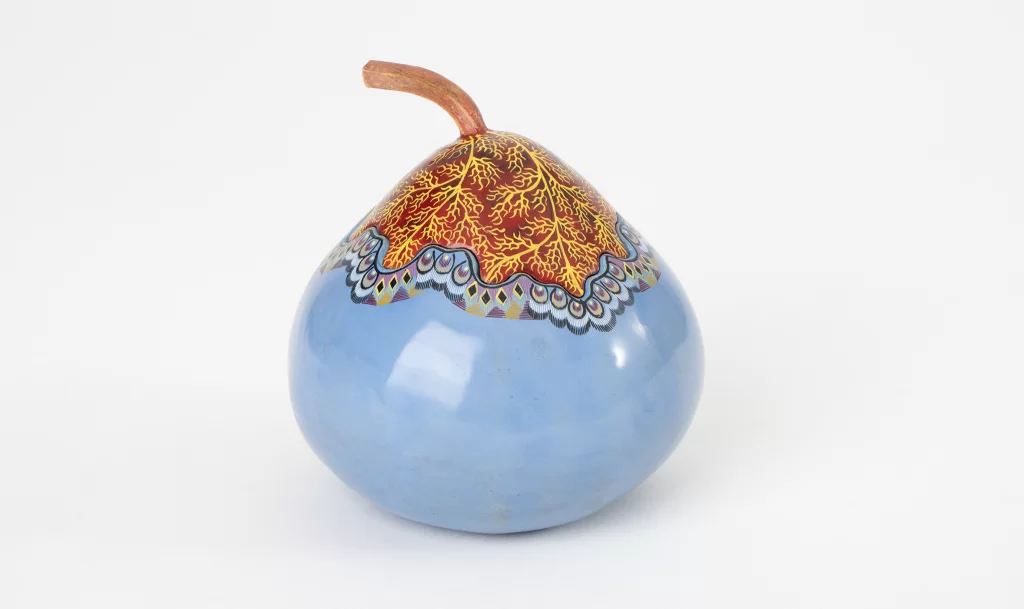
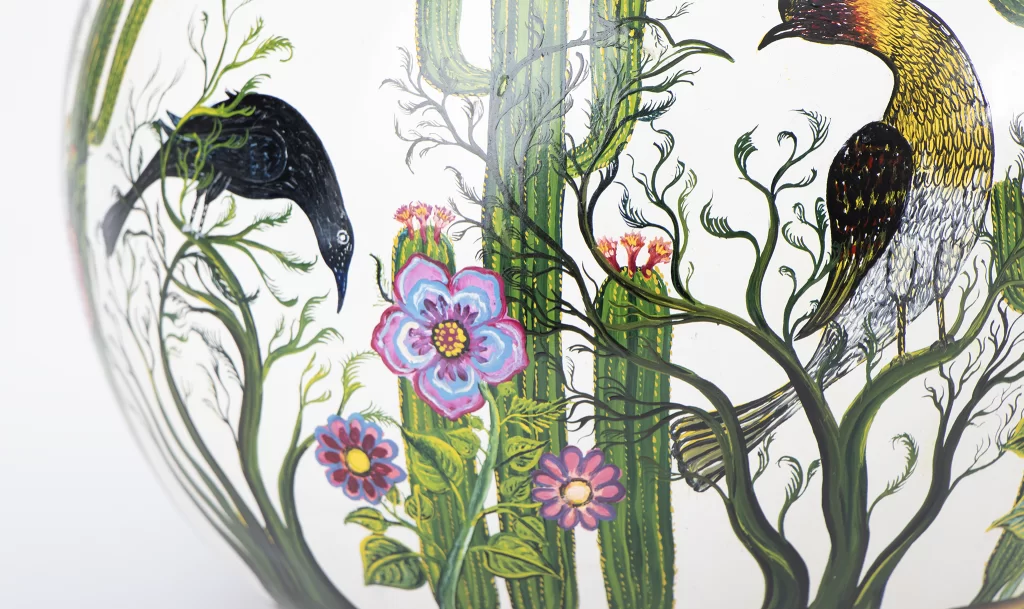
The bule is decorated with the Maque and Laca technique, also present in other Mexican handicrafts such as the boxes of Olinalá. “Lacquer” is a Persian word and “maque” comes from Arabic; both terms refer to the coating and decoration of fruits, vegetable bark or wooden objects by means of minerals that are glued by means of vegetable oils, such as chia oil, or animal oils. This method combines layers of natural pigments and oils, achieving smooth, shiny and colorful surfaces. The process requires a lot of patience and dedication (Government of Mexico, 2016).
Bules today: decoration and art
Today, bules have transcended their original function and have become objects of art and decoration. Their beauty and uniqueness make them ideal for decorating homes or offices. Bules are used as jewelry boxes, table centerpieces, souvenirs and many other creative applications. In addition, their value as collector’s items has increased, making them objects of desire for lovers of Mexican art and folk art. Contemporary designs are combined with traditional techniques, resulting in pieces that honor the past and embrace the present.
DeCorazon Mexico Bules: discover our collection
At DeCorazon Mexico, we invite you to explore our exclusive collection of bules. Each piece is crafted by talented Mexican artisans, using ancestral techniques and the highest quality materials. You will find bules of different sizes, shapes and designs, from the most traditional to the most contemporary. Each bule tells a story, conveying the cultural richness and creative spirit of Mexico. Discover the perfect bule for you and add a touch of authenticity and beauty to your home.
Conclusion
The bules are a treasure of Mexican craftsmanship. Their history, their elaboration process and their beauty make them unique pieces that reflect the cultural richness of our country. At DeCorazon Mexico, we are proud to offer a collection of authentic and high quality bules, made by talented artisans who keep this beautiful tradition alive. We hope this article has inspired you to appreciate and value the art of bule. The bule, as a Mexican craft, is an important part of our heritage.
References
EncicloVida (n.d.). Lagenaria siceraria. CONABIO. https://enciclovida.mx/especies/154194-lagenaria-siceraria
Government of Mexico, Ministry of Economy (2016). Artisans and handicrafts: An economic perspective. https://www.gob.mx/cms/uploads/attachment/file/330994/ARTESANOS_Y_ARTESANIAS_UNA_PERSPECTIVA_ECONOMICA.pdf
Prado Vázquez, X. (2023). Fulgores del Edén [Master’s thesis, Universidad Nacional Autónoma de México]. Repositorio Institucional de Tesis Digitales, UNAM. https://tesiunamdocumentos.dgb.unam.mx/ptd2023/mayo/0838903/Index.html