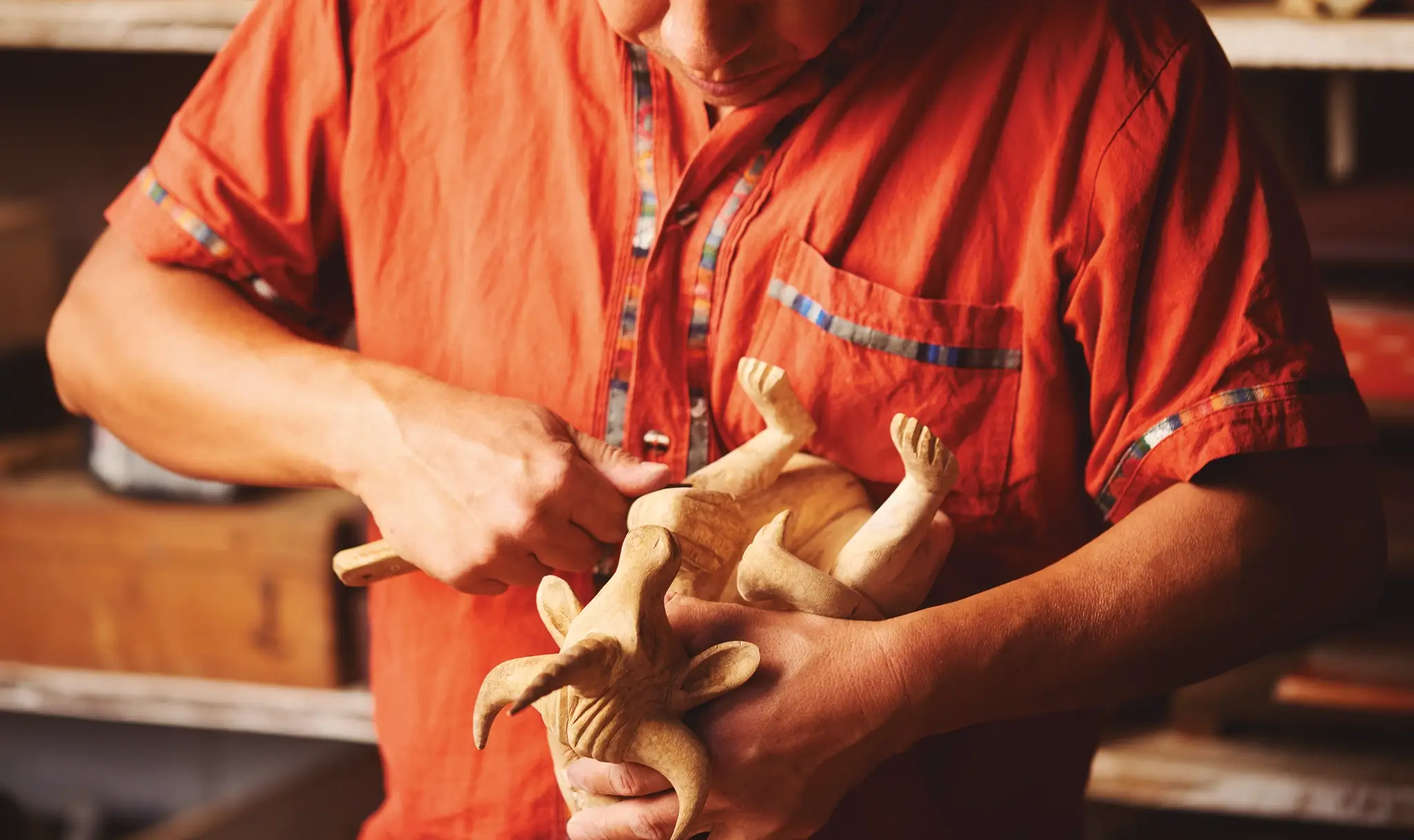
In the Zapotec tradition, the tona is a spiritual guide linked to the birth and identity of each person. More than a symbol, it is a protective presence that connects with nature. In this space we share with you its meaning and some of the tonas that you will find in DeCorazón México, created by master artisans from Oaxaca.
Table of Contents
What are the Zapotec Tonas?
The Zapotec tona is a profound expression of identity and spirituality, where each animal and each stroke reflect the connection between the person and his or her ancestral guide. Through these pieces, the tradition lives on and is transformed into art that accompanies, protects and communicates. At DeCorazón México we honor this heritage with carefully created tonas, so you can choose the one that resonates with you or request a piece made especially for you.
Each tona is represented by an animal -real or mythical, such as the jaguar or the snake- and is part of a calendar composed of 13 months of 20 days, where each day is ruled by a different animal. The iconographies that decorate these pieces also have a specific meaning, making each creation a unique symbol.
How to identify your birth animal
The Zapotec tona is determined from the ritual calendar of 260 days, known as Piye, and made up of thirteen numbers and twenty signs. The meanings and interpretations may vary among communities. These twenty signs are usually represented as animals: coyote, lizard, armadillo, turtle, snake, rabbit, deer, frog, dog, monkey, owl, eagle, jaguar, butterfly, fish, snail, chuparosa, tlacuache and mockingbird.
Due to the diversity of ways of reading, we recommend that you consult an expert in the Zapotec tradition to obtain an accurate and respectful interpretation; any attempt to calculate it on your own may be inaccurate.
Symbology of the Zapotec tonas
The tonas that follow the Zapotec tradition use ancestral symbolism or iconography in their decoration, the same that can be found in archaeological sites such as Mitla or Monte Alban. Many of these symbols are present in the murals, friezes and fretwork of the ancient constructions, and each one has a particular meaning. Among the most common symbols are:
- Temple: represents worship.
- Person: symbolizes the people.
- Snake: figure of maximum power.
- Butterfly: symbol of happiness.
- House: alludes to protection.
- Rattlesnake: also associated with maximum power.
- Sun: represents hope.
- Ant: symbolizes work.
- Seed: represents fertility.
- Fish: symbol of respect.
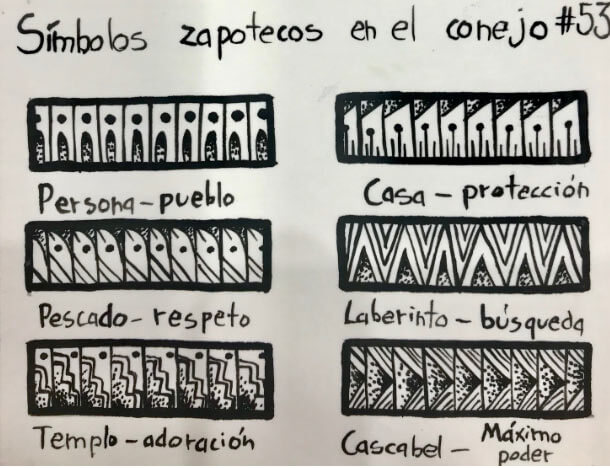
These are the elements that the artisans trace and apply to each piece, endowing them with a meaning that transcends the ornamental. Each figure is both an aesthetic work and a carrier of an ancestral language.
The Zapotec Tonas of DeCorazón México
Below is a brief selection of the tonas we have available:
- Dog: associated with fidelity, loyalty and protection. People with this tona tend to be firm, reliable and attentive to the welfare of those around them. It is a figure that transmits security and balance.
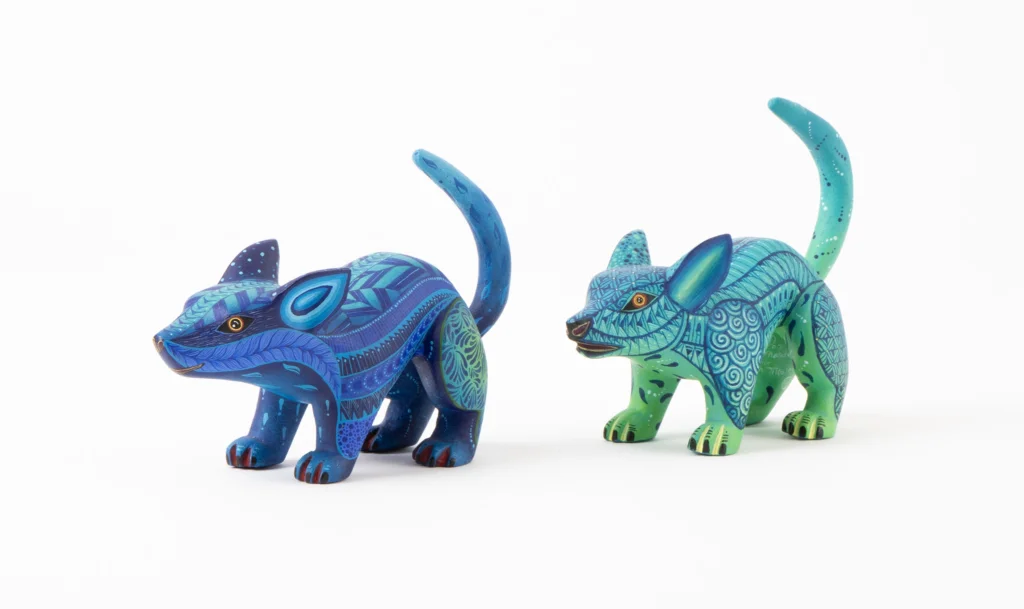
- Snake: those who have this tona tend to be seekers of knowledge, people in constant learning. Just as the snake sheds its skin, they tend to leave behind what they no longer need and to renew themselves in each cycle, showing a great capacity for transformation.
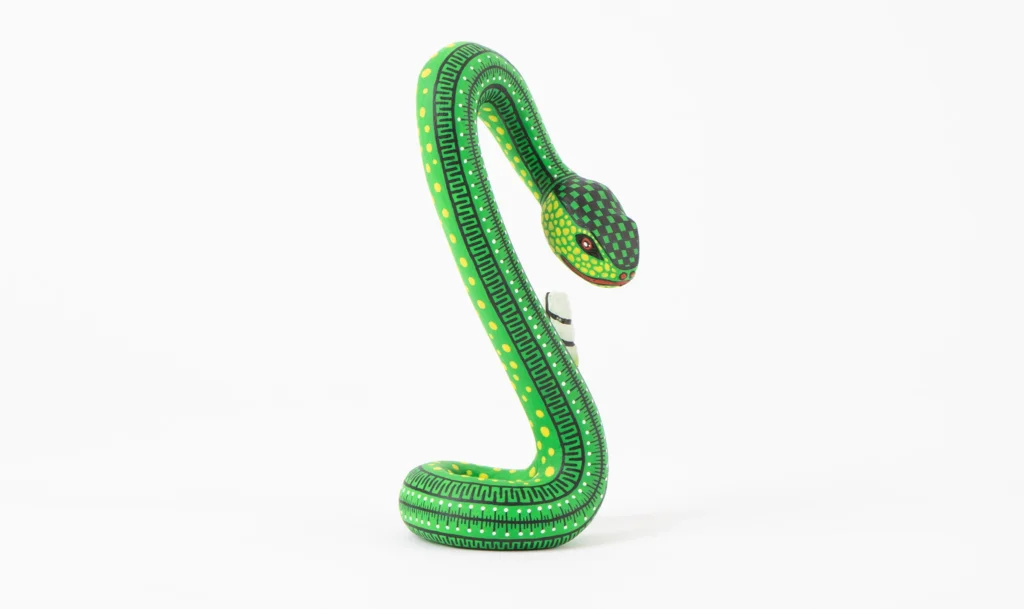
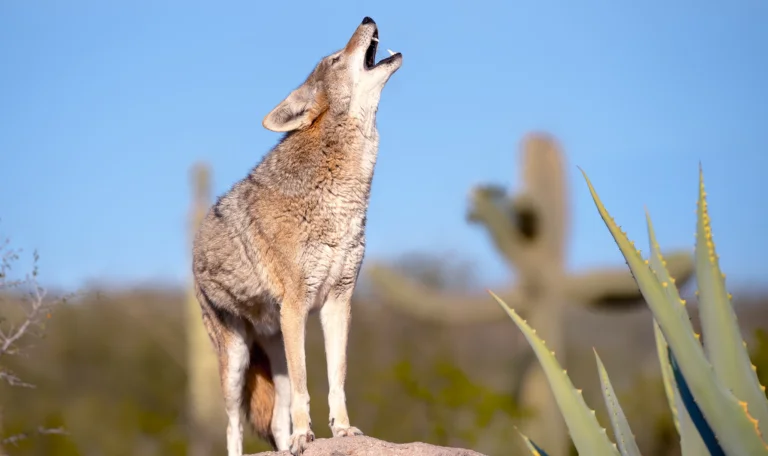
- Coyote: linked to cunning, practical intelligence and adaptability. This tona is associated with people who are creative, decisive and capable of finding ingenious solutions even in challenging scenarios.
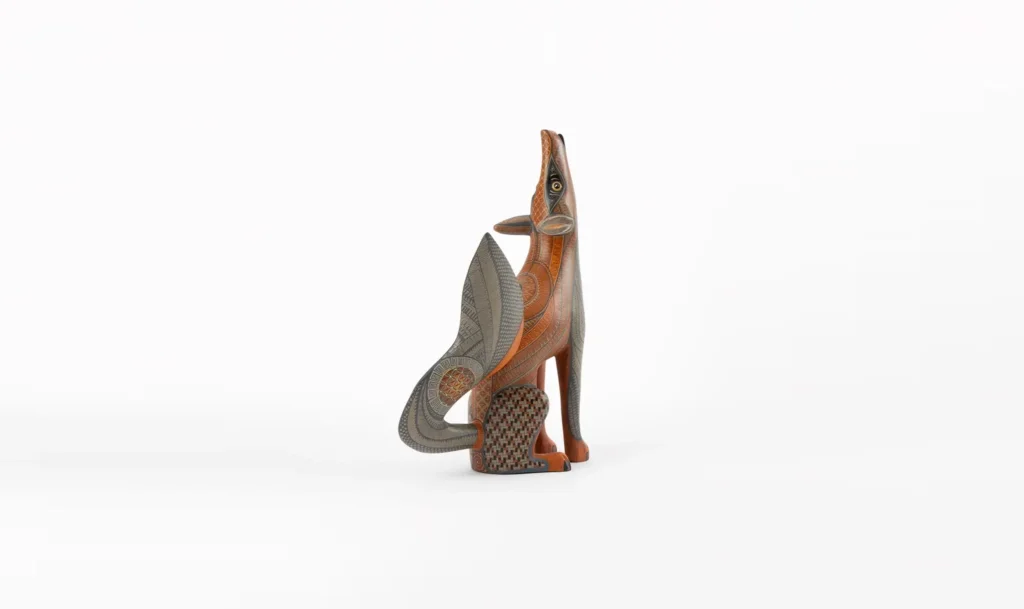
Remember that if you want a customized piece, we will be happy to create it especially for you.
Conclusion
The alebrije according to your birth combines tradition, identity and art. By knowing your Zapotec tona and choosing the right piece, you integrate spirituality, history and aesthetics in a single object. Each alebrije becomes a symbolic companion that strengthens the connection with your essence and Mexican culture.
References
Herrera, P. (2025, March 25). Discover your nahual: spiritual guide, animal protector and ancestral heritage. UNAM Global. https://unamglobal.unam.mx/global_revista/descubre-tu-nahual-guia-espiritual-animal-protector-y-herencia-ancestral/
Orsini, M. (2022, March 10). The Oaxacan alebrijes, fantastic animals. María Orsini Magazine. https://revistamariaorsini.com/los-alebrijes-oaxaquenos-animales-fantasticos/
Rutopia (2025). Meaning of the alebrijes of Oaxaca: our spiritual guides. https://wp.rutopia.com/los-alebrijes-son-una-de-las-artesanias-mas-famosas-de-mexico/
Soy Nativo (2023, July 31). Tonas and nahuales: the spiritual connection of Oaxaca [Video]. Facebook. https://www.facebook.com/soynativomx/videos/1474752553481515/