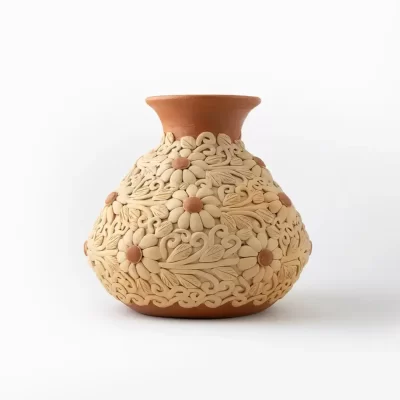
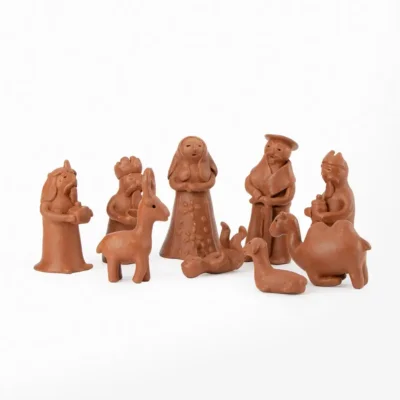
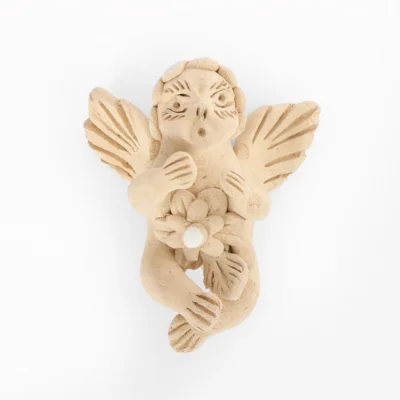
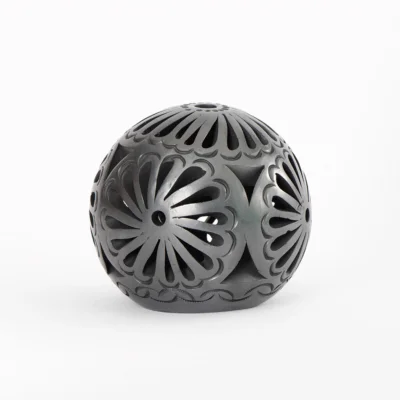
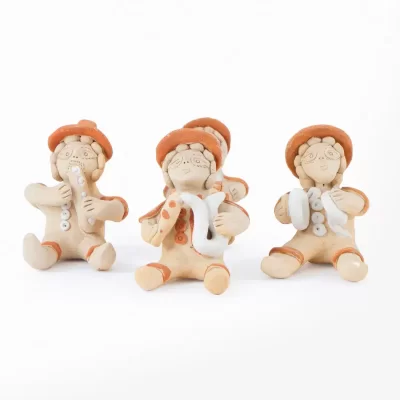
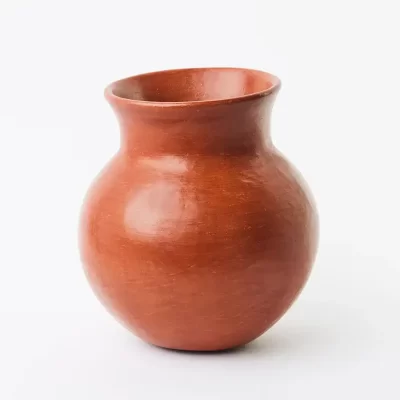
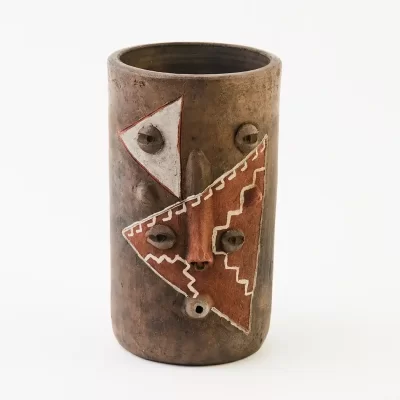
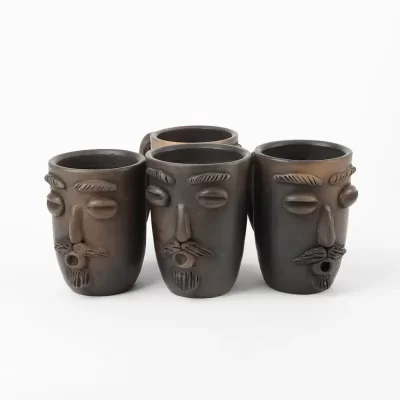

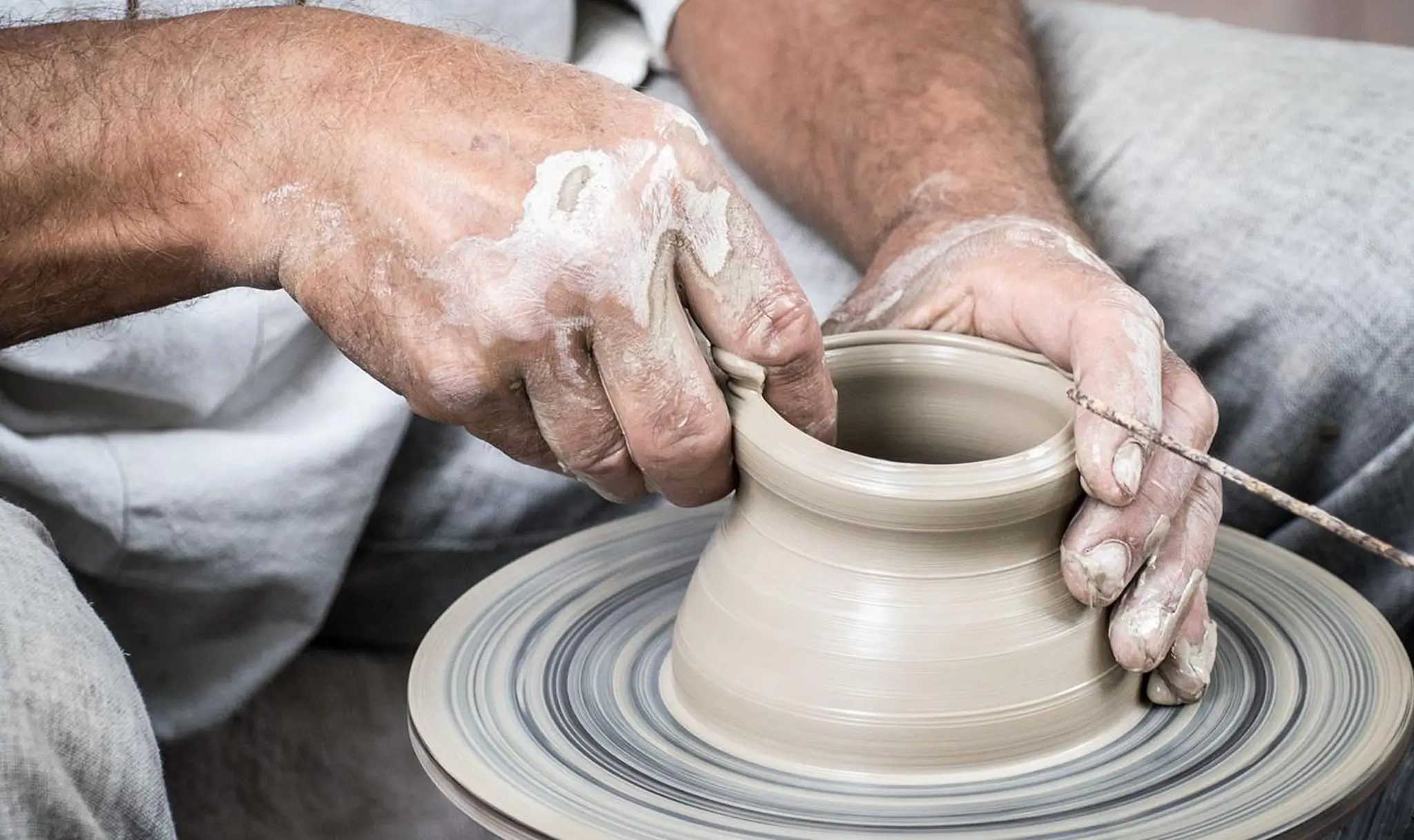
Within the vast panorama of popular art in Mexico, have you ever heard of the Ceramics of Guanajuato, Tarandacuao? Distinct from that of Dolores Hidalgo, within the same state, this technique emerges as an artistic expression of unparalleled sophistication and beauty. Often overshadowed by more widespread traditions, this aspect of pottery represents a clear technical and aesthetic differentiation.
In this article, we will explore their distinction from other regional ceramics and how these high-temperature ceramic pieces can add elegance to your personal collection, available now at DeCorazon Mexico.
Table of Contents
A Treasure in the Bajio: Origin of the Tradition
The pottery of Guanajuato, Tarandacuao, comes from a small municipality in the south of the state, very close to Michoacán. In “Taranda”, as its inhabitants call it, a relatively young pottery center was consolidated, but with a different and innovative technique.
Here, the artisans not only mold the clay, they have perfected the high temperature ceramics to achieve a hardness and a high relief finish. As few workshops work this technique, their pieces tend to be scarce and highly valued.
Key Differences: Tarandacuao vs. Dolores Hidalgo
It is common that, when speaking of the ceramics of Guanajuato, the immediate reference is to the famous majolica of Dolores Hidalgo. However, it is important to mention that these are different traditions.
One of the main differences between the two techniques is in the firing process. Majolica is a traditional ceramic that is fired at low temperatures. In contrast, Tarandacuao ceramics are fired at more than 1,200 degrees, which gives them greater hardness and classifies them as high-temperature ceramics.
In aesthetic terms, while Dolores Hidalgo opts for colonial strokes and broader brushstrokes, where blue tones predominate, Tarandacuao is distinguished by the meticulousness of the design and the use of more minimalist geometric patterns, with light tones such as pastel colors and high-relief finishes, visible in the form of small droplets.
The Master Technique: High Temperature and Pointillism
For this technique, the ceramic must have a very fine texture. The paste is mixed and strained before being placed in the molds, which allows for more uniform pieces. When the shape is ready, the edges are cleaned and the surface is carefully smoothed to eliminate any imperfections.
The pieces are then prepared for decoration. First, an ochre base color is applied and the pieces are lightly marked with guide lines, which help to trace the designs by hand. The color is applied with pear-shaped syringes that allow working with greater precision, replacing the use of traditional brushes. The use of these syringes is what makes it possible to create the high relief characteristic of these pieces.
Finally, the parts are fired in a single high temperature firing, which makes them resistant, safe for daily use and free of contaminants.
DeCorazon Mexico Parts
In our gallery we have carefully selected representative examples of this technique, such as:
Mug “Encanto” (Charm)
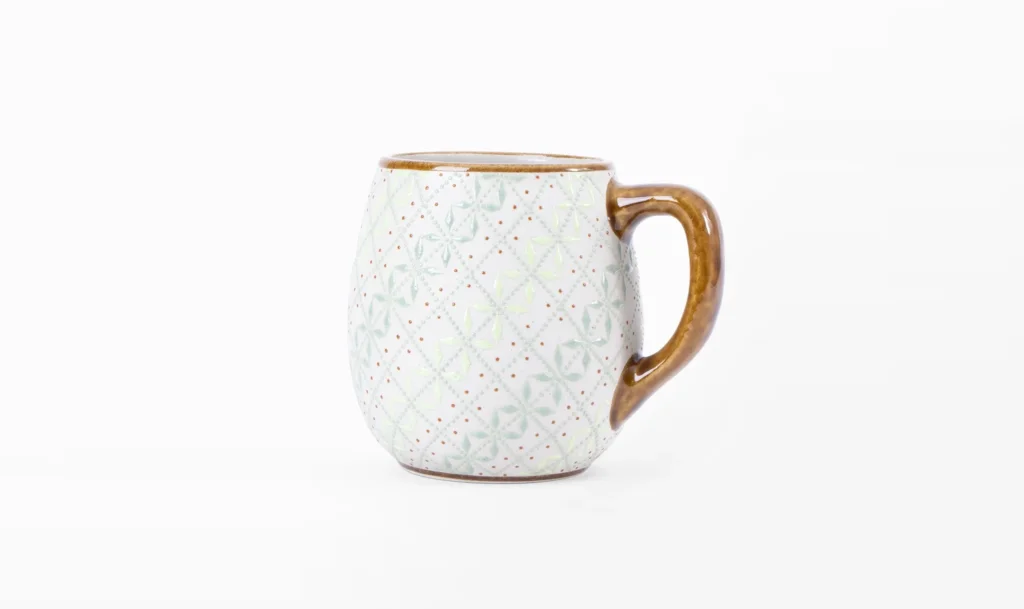
Medium mug with cream background and pastel green details. Its measures are 12 × 15 × 13 cm.
Jewelry box “Cielo Pastel”.
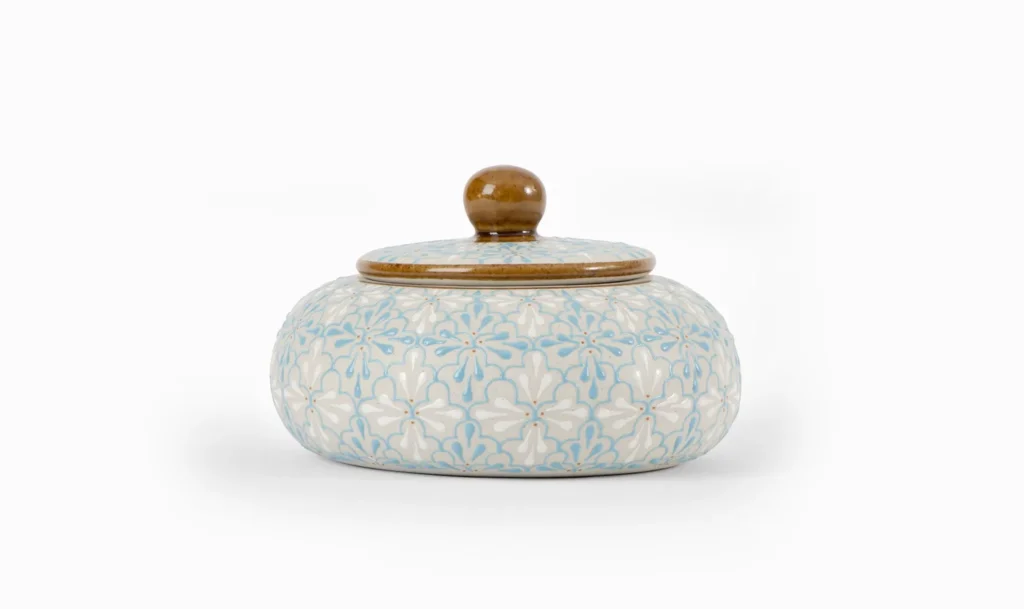
Large jewelry box with light gray background and details in white and sky blue. Its measures are 16 × 16 × 9 cm.
Container “Bombón” (Bonbon)
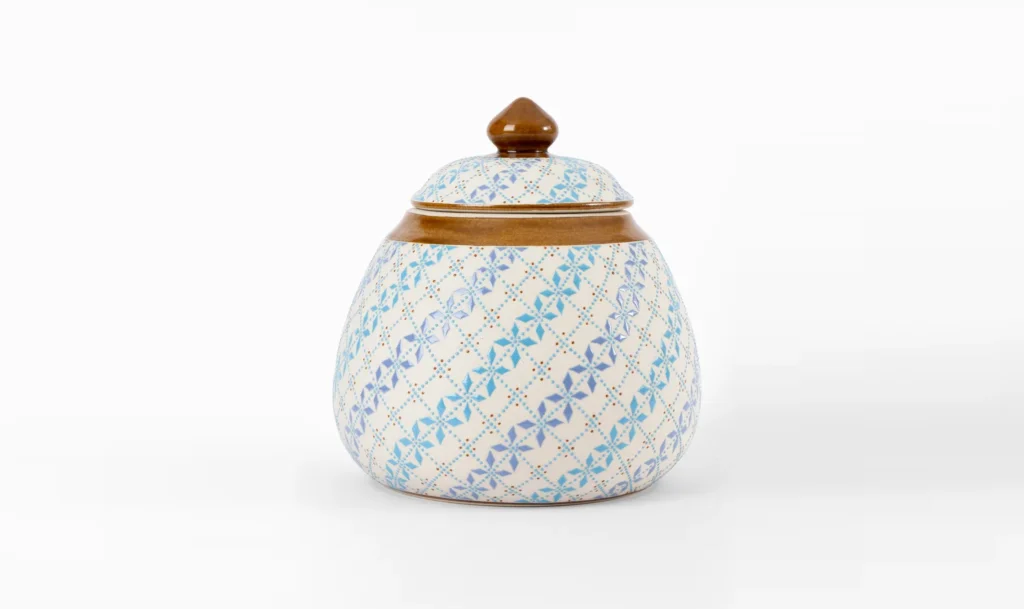
Beautiful refractory with cream background and details in purple and blue. Ideal for use in the kitchen or as a decorative piece.
Jewelry box “Droplets”.
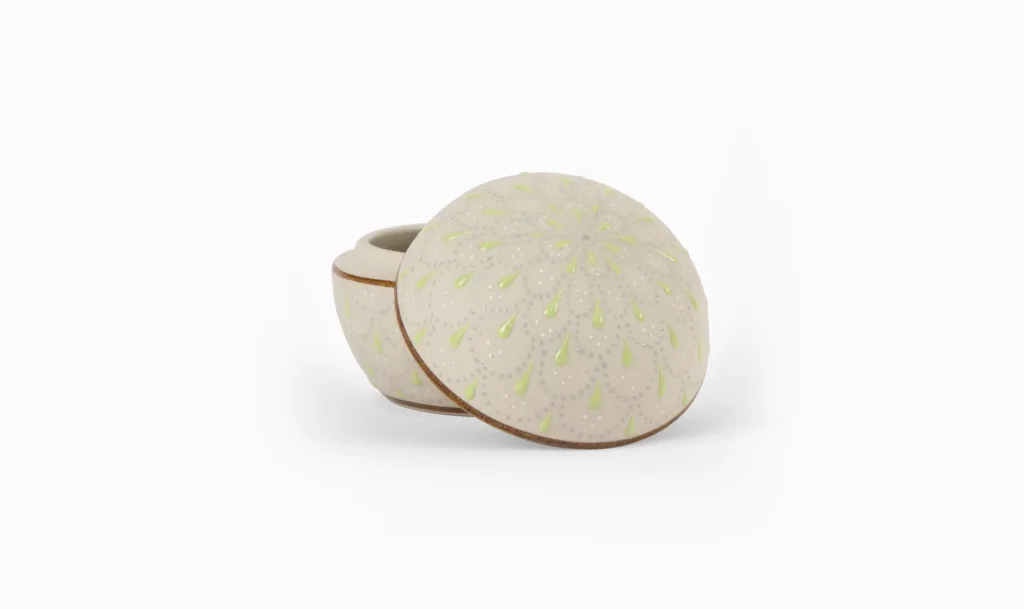
Cream-colored jewelry box with light green accents. Its compact size makes it ideal for saving space without losing style.
Conclusion
Ceramics from Tarandacuao, Guanajuato, is a sample of talent and innovation within Mexican folk art. Its high temperature process and high relief technique clearly distinguish it from other ceramic traditions in the state.
By integrating these pieces into your home, you not only acquire a functional and aesthetic object, but also a work that reflects the care, time and identity of an artisan community. Discovering and appreciating the ceramics of Guanajuato, Tarandacuao is also a way to preserve a unique tradition that is still alive in each piece.