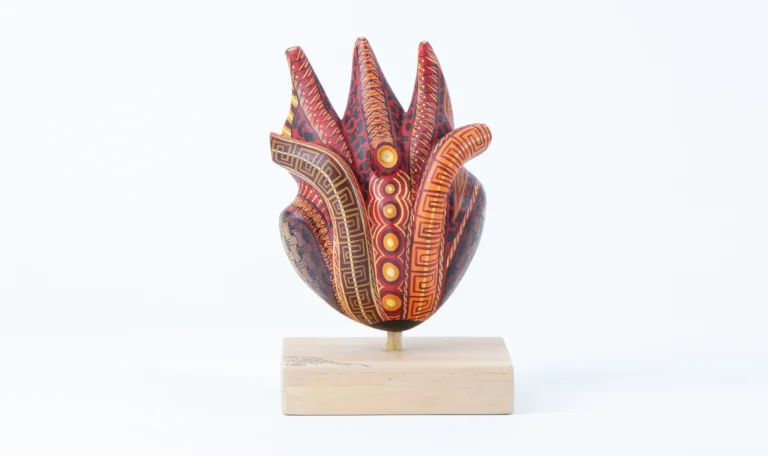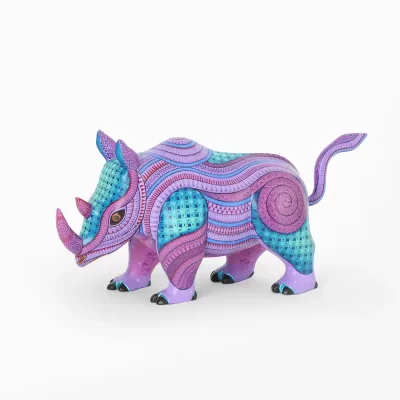

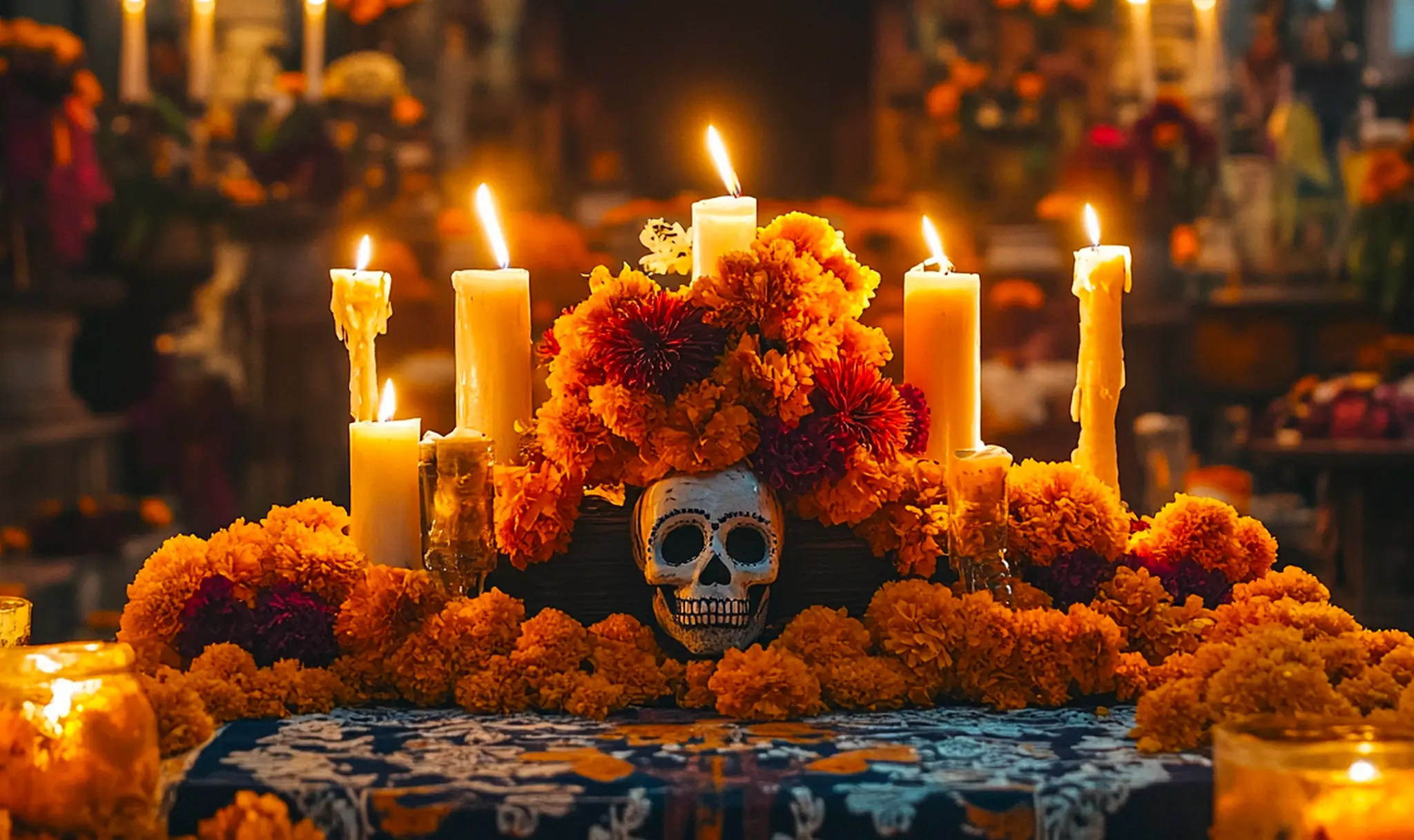
The Day of the Dead in Mexico is a time of love and remembrance. It is a reunion with our roots and with those who have gone before us, a way of telling them that they are still alive in our memory. This tradition, woven between pre-Hispanic customs and Catholic beliefs, blooms in altars full of color, aroma and feeling: flowers, candles, bread, memories and smiles that cross time.
At DeCorazón México we celebrate this day with an open heart, offering unique pieces so that each altar is a space full of love, hope and gratitude to those who still accompany us, although from another place.
Table of Contents
Day of the Dead: A Cultural Syncretism
As Elsa Malvido (2003) explains, “Since ancient times, people around the world have offered food and offerings to their dead, to the heroes of the past and to the guardian gods of the afterlife. Honoring those who have departed is not a new practice, but a custom that has endured over time, transforming in its forms, its spaces and its meaning (p. 44).
In Mexico, this tradition has deep roots. Mesoamerican cultures – such as the Mexica, Maya and Purepecha – celebrated rituals dedicated to death and their ancestors, seeking to accompany the souls in their transit to the other world.
With the arrival of the Spaniards and Catholicism, these ancestral traditions merged with the Christian festivities of All Saints’ Day and All Souls’ Day. This syncretism gave rise to the celebration we know today, where pre-Hispanic elements such as cempasúchil, copal and food are combined with Catholic elements such as candles, religious images and prayers. The result is a unique and colorful celebration that reflects the Mexican cosmovision of life and death.
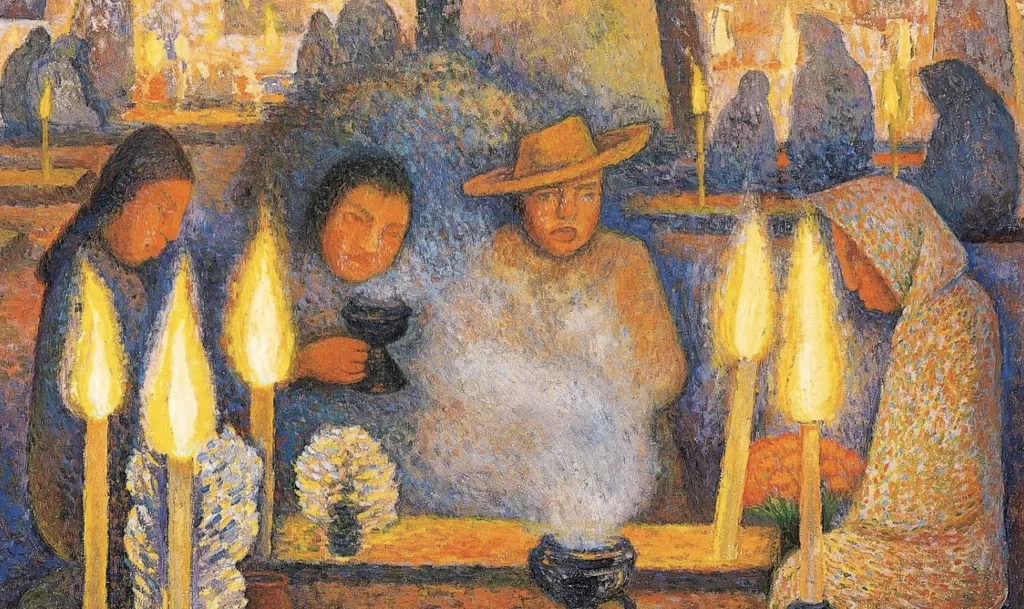
The Day of the Dead Altar: Meaning and Elements
The Day of the Dead altar is one of the most important traditions of the celebration. On it, offerings are placed to honor loved ones who have passed away. It includes food, drinks and objects they enjoyed in life, as well as flowers, candles and photographs. Each element has a special meaning and together they form a way of remembering and receiving the souls that arrive from October 27 to November 2.
In the Mexican tradition of the Day of the Dead, it is not customary to place an offering for a person immediately after his or her death. This custom has its origin in pre-Hispanic beliefs, which considered that the soul of the deceased needed time to complete its transit to the Mictlan and not be trapped between worlds. For this reason, it is generally waited one year after the death before including that person in the family altar (Quintero, 2024).
Altars can have different levels, and each has a special meaning. Some altars have seven levels, representing the steps the soul must travel to rest in peace. Other altars may have three levels, representing earth, heaven and underworld, or two levels (earth and heaven).
In an altar of seven levels are placed, for example:
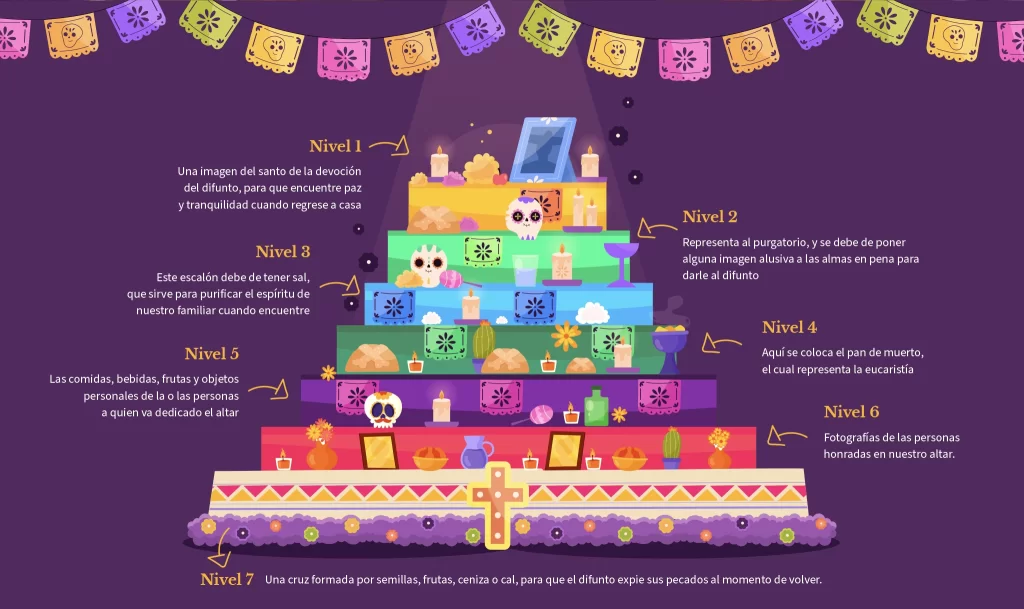
Among the most common elements found in a Day of the Dead altar, the following stand out:
- Cempasúchil: Traditional flower that guides the spirits back home with its color and aroma.
- Candles: They illuminate the path of the deceased and represent the light of faith and hope.
- Copal: Incense used to purify the environment and communicate with the spiritual world.
- Food: Dishes and beverages that were liked by the deceased, such as mole, tamales, pan de muerto and tequila.
- Photographs: Visual reminders of loved ones who are no longer with us.
- Water: Symbol of purity and source of life. It is offered to the deceased to quench their thirst after the long journey.
- Salt: Purifying element that helps to protect the altar from bad energies.
- Personal items: Items that belonged to the deceased and that remind him/her of loved ones.
What do you need to build your altar of the dead?
Creating a Day of the Dead altar is an act of love and devotion. There is no right or wrong way to do it, the important thing is that it reflects the personality and tastes of the deceased. Here are some tips to build a meaningful altar:
- Choose a special place: Find a quiet and suitable space in your home to place the altar.
- Select the tiers: Decide how many tiers your altar will have, according to your beliefs and family traditions.
- Gather the essential elements: Get cempasúchil, candles, copal, food, photographs, water, salt and personal objects of the deceased.
- Personalize your altar: Add items that are meaningful to you and the deceased, such as flowers, fruits, candies, toys or crafts.
- Place a special offering: Prepare the deceased’s favorite dish or write a letter with your memories and feelings.
DeCorazón Mexico pieces for your Day of the Dead altar
At DeCorazon Mexico, you will find a wide selection of folk art pieces that will help you decorate your Day of the Dead altar and pay a special tribute to your loved ones.
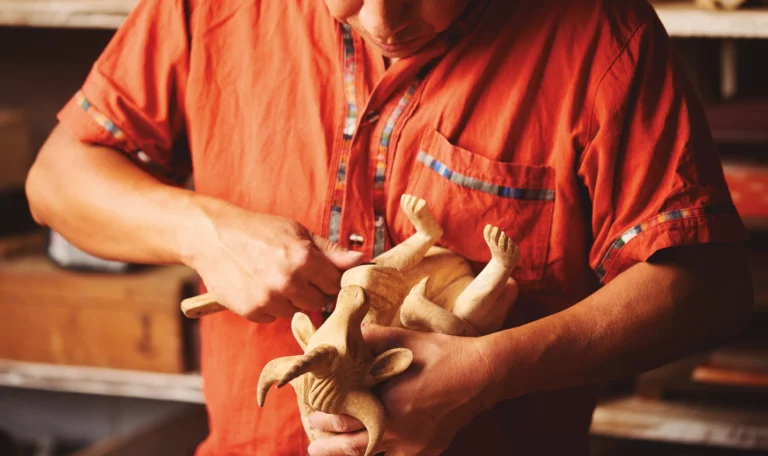
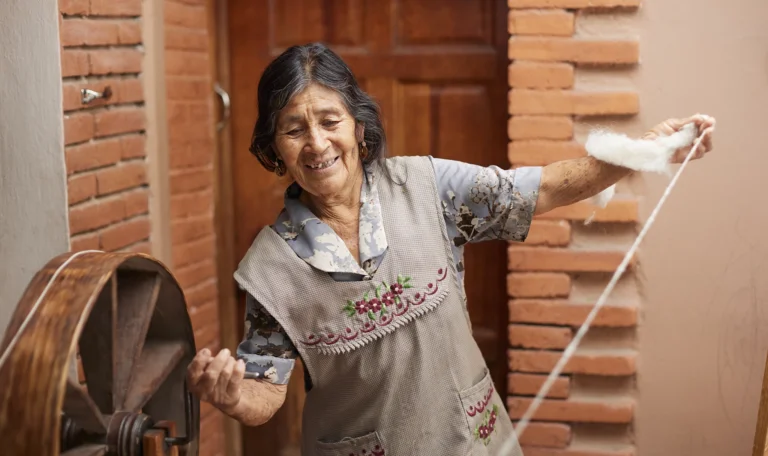
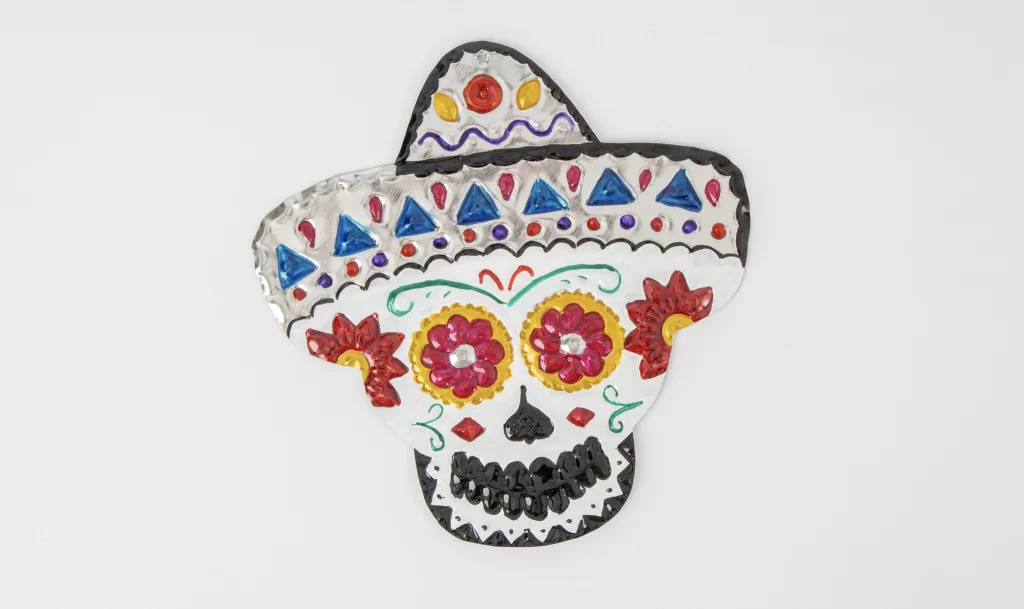
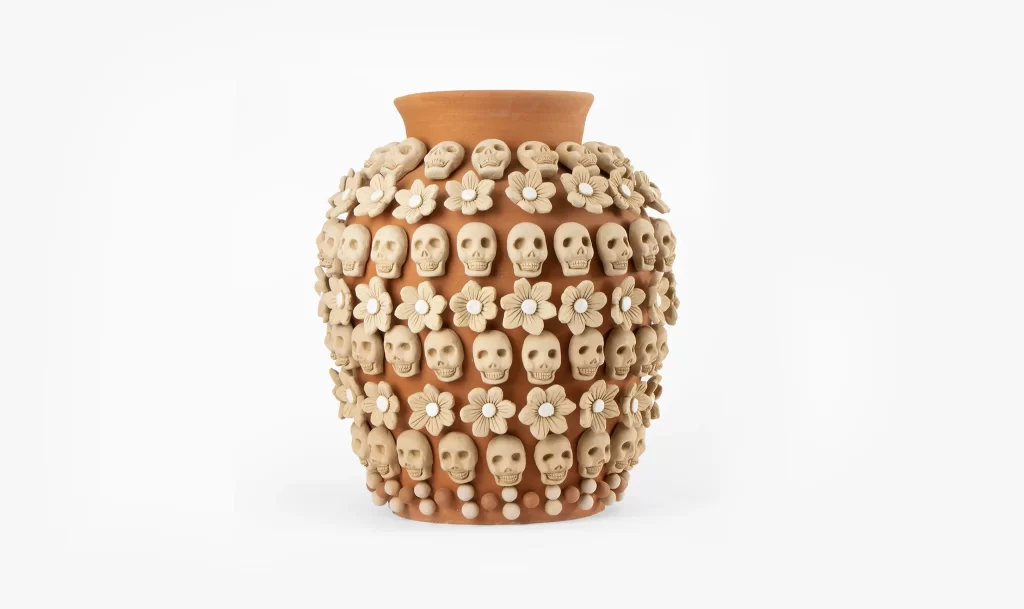
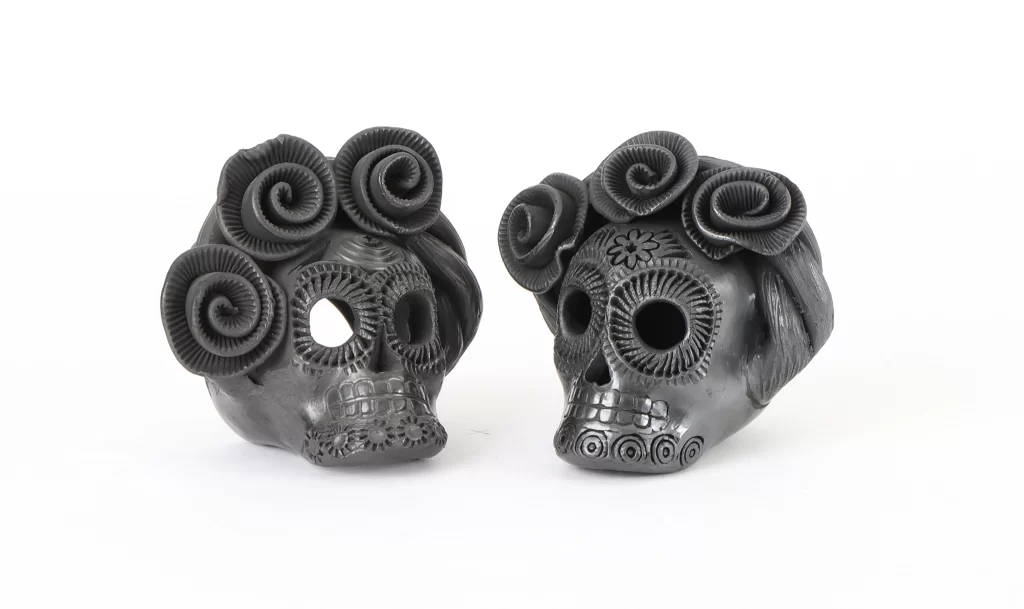
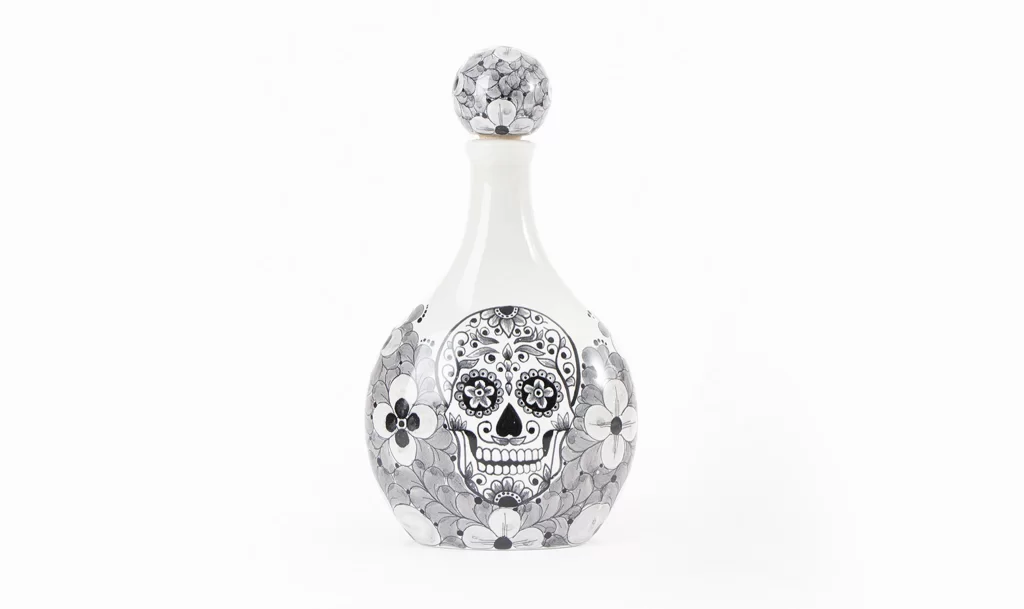
From black clay skulls to catrinas, candle holders, and liquor holders, our pieces are made by Mexican artisans with ancestral techniques and high quality materials. Each piece is unique and tells a story, transmitting the richness and beauty of Mexican culture.
Visit our online store or our physical gallery and discover the perfect pieces to create a Day of the Dead altar that honors the memory of your loved ones and celebrates Mexican tradition.
Conclusion: Honoring our roots
Día de Muertos is a tradition that connects us with our past, allows us to remember our loved ones and invites us to reflect on life and death. By building an altar, sharing food and celebrating with joy, we are honoring our roots and passing on an invaluable cultural legacy to new generations. At DeCorazón México, we are proud to be part of this tradition and to offer pieces that help keep the flame of the Day of the Dead alive.
References:
General Directorate of Personnel of the UNAM. (2020, October 28). Day of the dead: Elements of the ofrenda. https://www.personal.unam.mx/Docs/Cendi/dia-de-muertos-elementos-de-la-ofrenda.pdf
Informer (2024, October 21). Is it possible to make an offering to a recently deceased person? This is what the belief says . https://www.informador.mx/estilo/Dia-de-muertos-2024-Se-puede-poner-ofrenda-a-un-recien-fallecido-Esto-dice-la-creencia-20241021-0162.html
Malvido, E. (2003). La festividad de Todos Santos, Fieles Difuntos y su altar de muertos en México. In La festividad indígena dedicada a los muertos en México ( pp. 41-57). CONACULTA. https://www.cultura.gob.mx/turismocultural/publi/Cuadernos_19_num/cuaderno16.pdf
Tribuna Campeche (2024, October 25). Why do the altars of the dead have 7 steps? https://tribunacampeche.com/25/por-que-los-altares-de-muerto-tienen-7-escalones/697569/