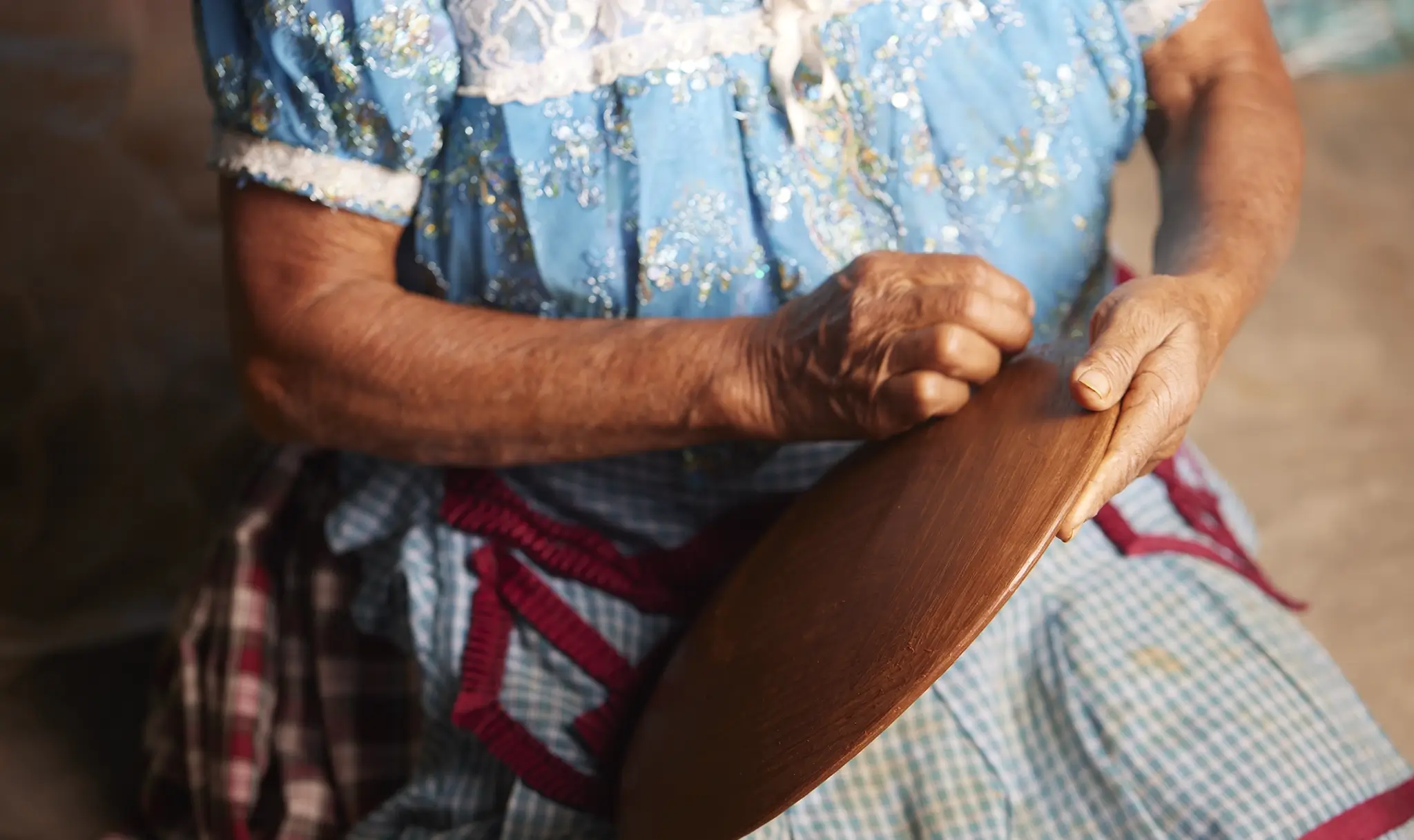
In Oaxaca, the earth is not only cultivated, it is also molded. For centuries, in Zapotec communities such as San Marcos Tlapazola, red clay has been transformed into pots, comales and other pieces that accompany daily life or that, in expert hands, are elevated to the rank of art.
Behind these pieces there is a deeply feminine story. It is the women who, generation after generation, have preserved the knowledge of traditional pottery, learning from childhood to work the clay with patience, strength and creativity.
Every day, and especially as we approach March 8, International Women’s Day, it is worth recognizing the craftswomen who sustain these traditions and who, at the same time, have managed to innovate, organize themselves and position their work nationally and internationally.
One of the most representative examples is the Mujeres del Barro Rojo (Women of Red Clay) collective, made up of Zapotec craftswomen who have turned an ancestral practice into a form of cultural resistance, community identity and artistic expression.
Table of Contents
The tradition of red clay in San Marcos Tlapazola
Pottery in San Marcos Tlapazola, Oaxaca, has deeply ancient roots. The red clay technique is part of a tradition that dates back more than three thousand years, linked to the Zapotec peoples who inhabited the region.
Unlike other pottery centers, in this community the process is still carried out completely by hand. No potter’s wheel or mold is used, each piece is slowly built by hand, to form vessels, jars or comales.
The process begins with the collection of clay in the hills near the village. After collection, the clay is prepared before molding begins.
Once the piece is formed, it is left to dry and then burnished with stones to smooth its surface. The shiny finish characteristic of these pieces is achieved through a process known as burnishing, first a thin layer of clay diluted in water, known as engobe, is applied on the surface, and then it is carefully polished with stones until an intense shine is obtained. This process not only embellishes the pieces, but also provides a certain impermeability. Finally, the pieces are fired in traditional wood-fired kilns.
The Women of Red Mud collective
In Oaxaca, pottery is a practice deeply linked to women. From the time they are little girls, they watch their mothers and grandmothers work the clay, learning little by little each stage of the process.
This knowledge is not usually transmitted in formal workshops, but within the home. The kitchen, the backyard or the family workspace become places of learning where techniques, stories and experiences are shared.
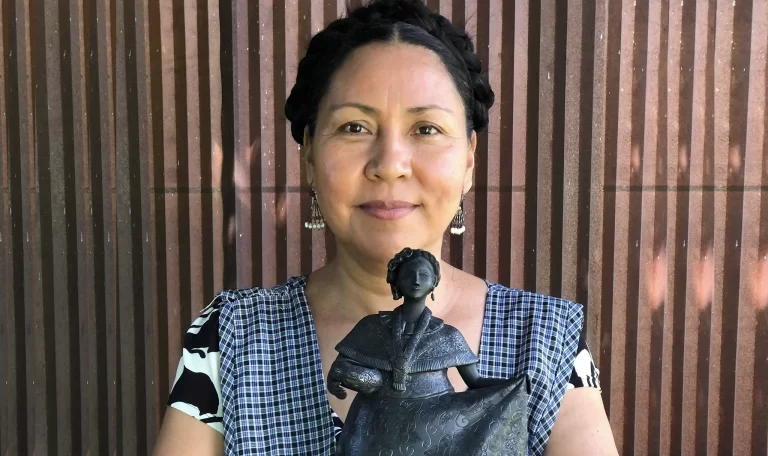
A story shared by Macrina Mateo Martínez, a Zapotec artisan from San Marcos Tlapazola. Macrina began working with clay at a very young age. Eventually, she decided to take her community’s pieces to craft fairs and cultural spaces outside of Oaxaca, breaking with the norms that traditionally limited women’s participation in the trade.
From this initiative arose the Mujeres del Barro Rojo (Women of Red Clay) collective, in Zapotec, Raa’ unaa’ shte yú shnia. A group of 15 craftswomen who work together to produce, sell and promote their work.
The collective has not only strengthened the economy of the families in the community, but has also allowed the craftswomen to have greater visibility in the cultural and artistic sphere.
His pieces have been presented at craft fairs, exhibitions and international pottery meetings, where the red clay of Tlapazola has been recognized for its quality, aesthetics and deep connection with the Zapotec tradition.
Innovation within tradition
Although the pottery of San Marcos Tlapazola is deeply linked to ancestral techniques, Las Mujeres del Barro Rojo found ways to innovate without losing the essence of tradition.
By the mid-1980s, when pottery sales began to decline, the Mexican government promoted training programs for artisans. It was then that Macrina Mateo Martínez, barely 18 years old, decided to travel to learn new techniques, something uncommon for women in her community at the time.
During a stay in Guadalajara, he learned about the work of potters who made different shapes, such as vases, pieces that were not produced in San Marcos because they were not part of the daily life of the town. This experience allowed him to imagine new possibilities for the red clay of his community.
As a New York Times article mentions, in an interview with artisan Elia Mateo, over time other potters began to follow this path, expanding the variety of pieces they produce. Today, in addition to traditional objects, many craftswomen make jars, vessels, plates and other pieces that attract both visitors and craft collectors.
Pieces by Macrina Mateo at DeCorazón México
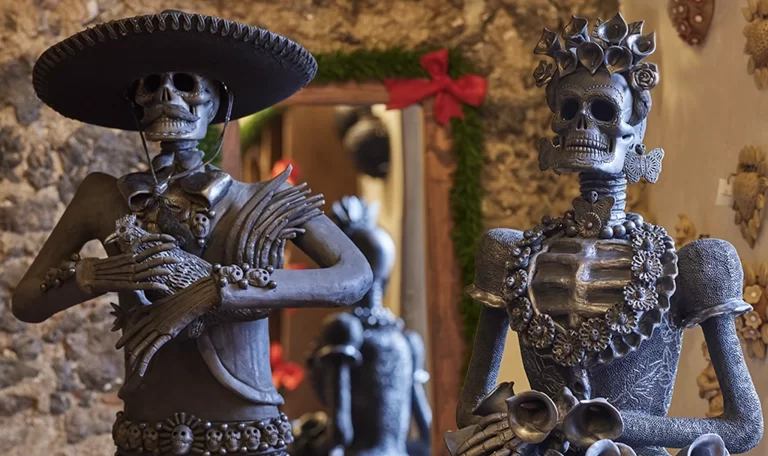
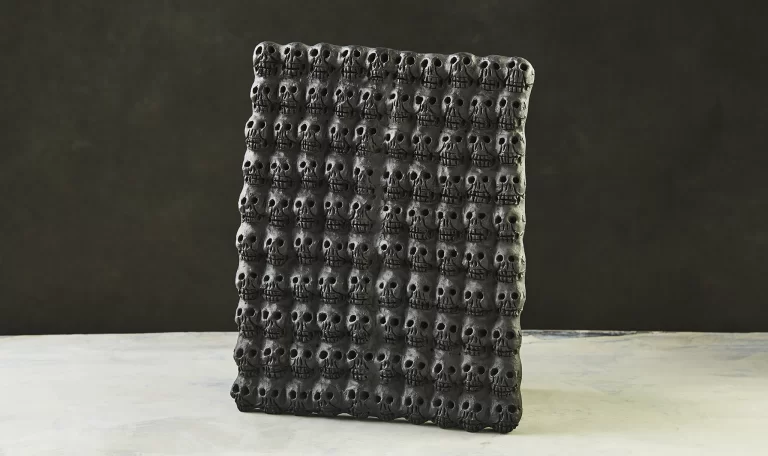
At DeCorazón México we have a selection of pieces made by this great group of women artisans, including works by Macrina Mateo, which reflect the richness of the pottery tradition and the creativity that has characterized her work. Some of the pieces that are part of this selection are:
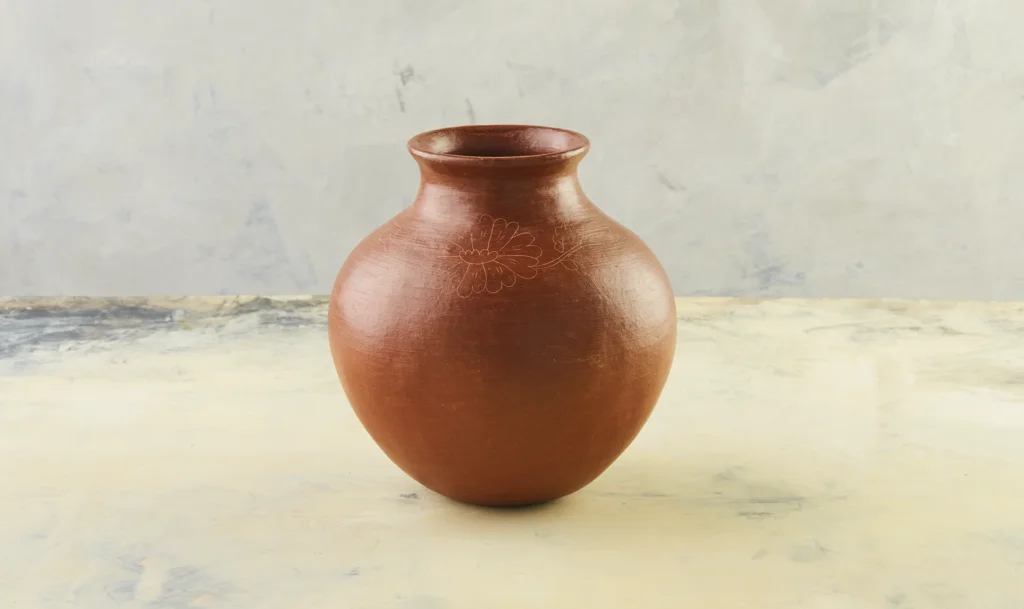
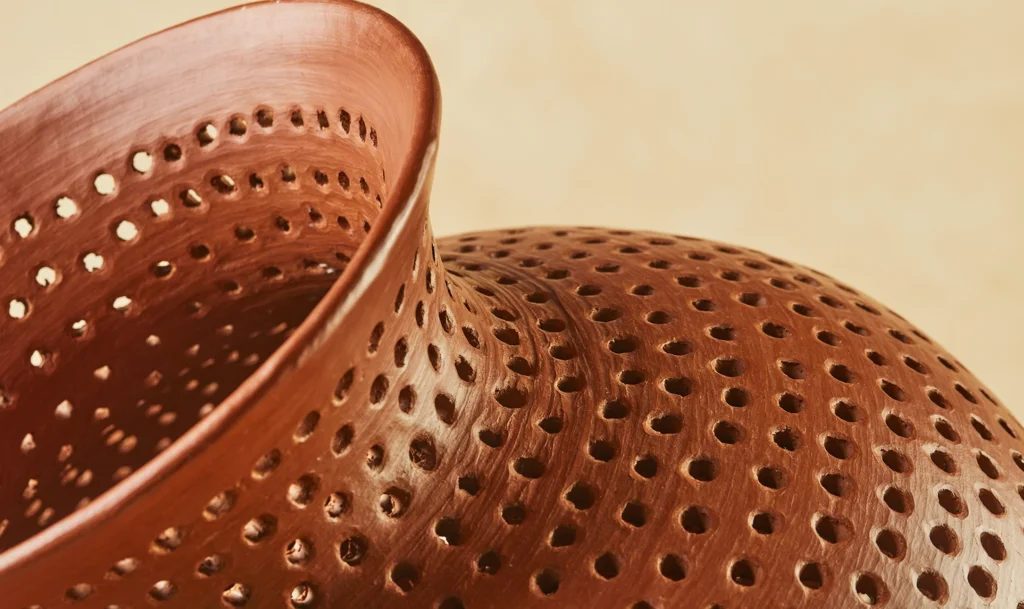
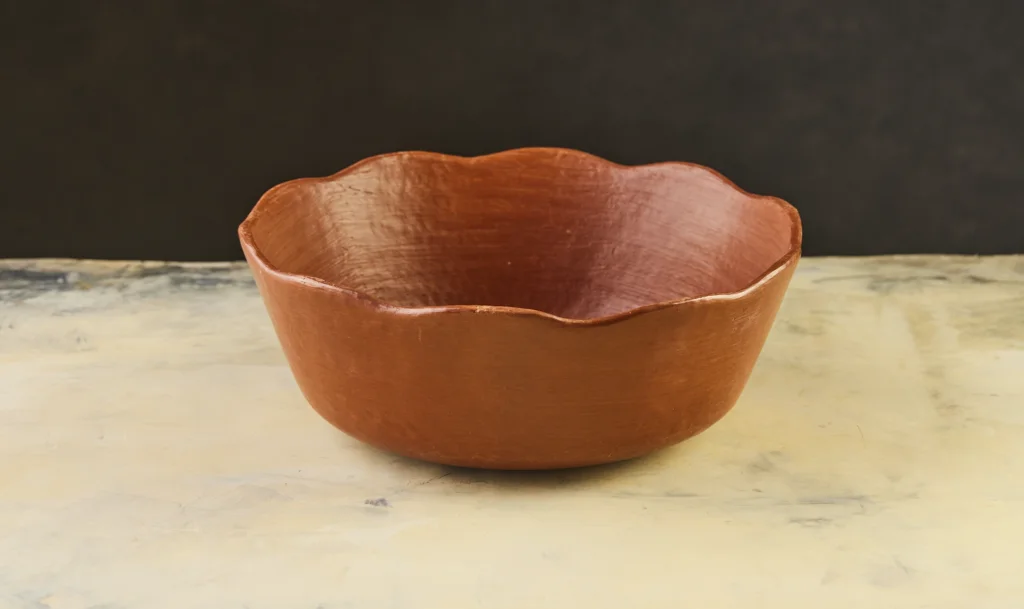
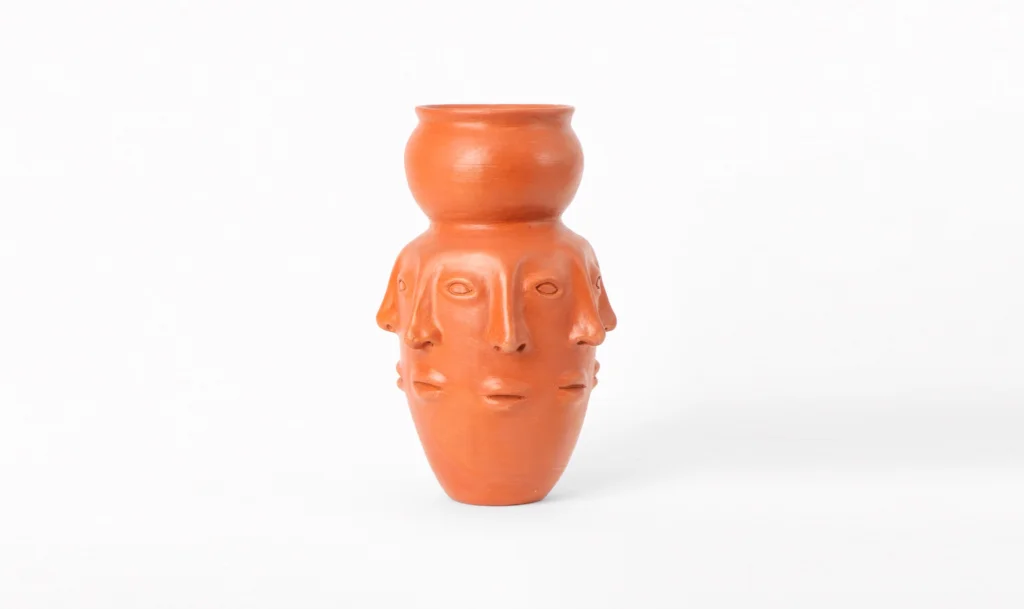
Each of these pieces preserves the traditional handmade process and the characteristic burnished finish of the red clay.
Conclusions
In the context of March 8, recognizing the work of women artisans also means recognizing the importance of traditional knowledge and community work.
The women of the red clay have demonstrated that handicrafts can be a form of innovation, cultural resilience and a source of income for their families.
Through their hands, the earth becomes history, identity and creativity. The red clay of San Marcos Tlapazola reminds us that art can also emerge from everyday life and that, many times, the hands that sustain traditions are the same hands that are opening new paths.
Bibliography
Díaz, M. (2022, October). Women of the red clay. Alfredo Harp Helú Oaxaca Foundation. https://fahho.mx/mujeres-del-barro-rojo/
Masters of Art Fair (n. d.). Macrina Mateo Martínez – Women of the red clay. https://feriamaestros.com/pages/profilemacrinamateomartinezmujeresdelbarrorojo
Fiesta Latina (n. d.). Macrina Mateo Martínez and the Women of the Red Mud. https://fiestalatina.org/es/speaker/macrina-mateo-martinez-y-las-mujeres-del-barro-rojo/
Needleman, D. (2018, October 31). Oaxacan craftswomen: clay as a way of life. The New York Times. https://www.nytimes.com/es/2018/10/31/espanol/america-latina/oaxaca-mujeres-ceramica.html
Quixe Magazine (October 29, 2022). Mujeres del barro rojo: una historia de esfuerzo, trabajo y amor (Women of the red clay: a story of effort, work and love). https://revistaquixe.com/2022/10/29/mujeres-del-barro-rojo-una-historia-de-esfuerzo-trabajo-y-amor/