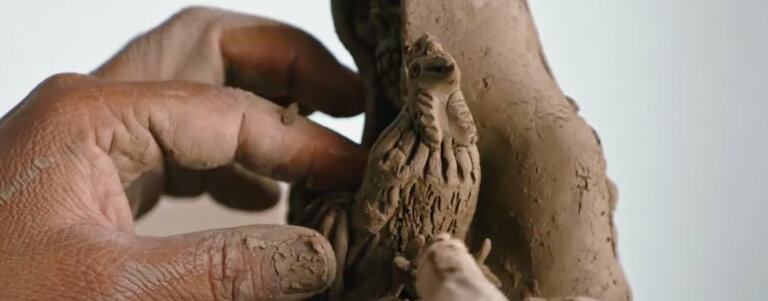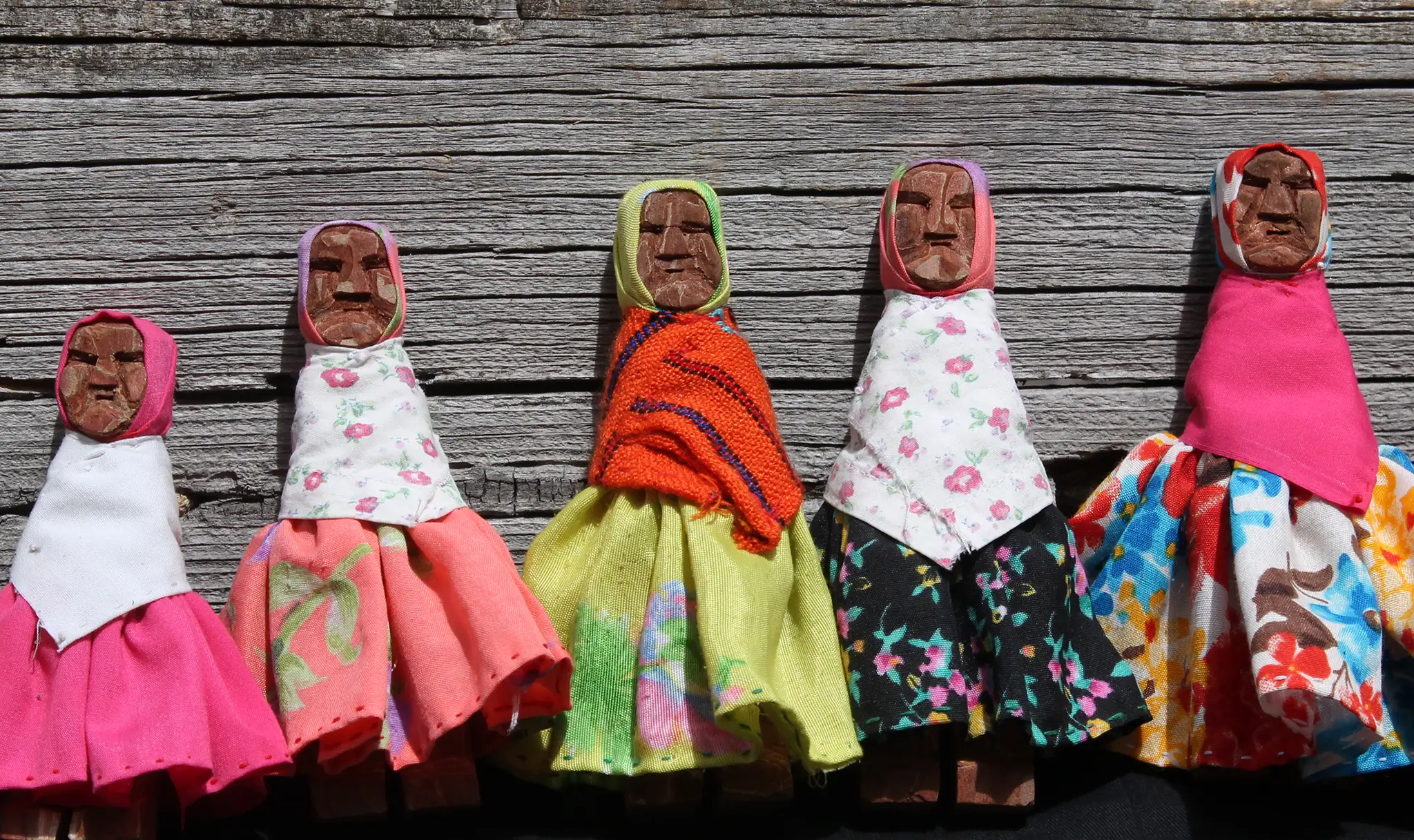
Rarámuri dolls are far more than simple toys. As miniature representations of the people living in the Sierra Tarahumara, they depict local customs and the various ways the community sustains itself. What makes these dolls truly special isn’t just their design, but how they are made—with the same tools that locals use to chop firewood, prepare food, and build their homes.
Table of Contents
Rarámuri Dolls: A Reflection of Identity and Resilience in the Sierra Tarahumara
Rarámuri dolls are much more than just toys. As silhouettes of the inhabitants of the highlands, they represent their customs and the different ways in which they obtain their sustenance. The special thing about these pieces lies not only in their design, but also in how they are made: with the same tools that the locals use to cut firewood, prepare food and build their homes.
Artisans often say that when you buy one of their dolls, you not only get a unique object, but also a part of themselves. These pieces help prepare Rarámuri children for life in the Sierra, while allowing those who buy them to get closer to their culture and tradition.
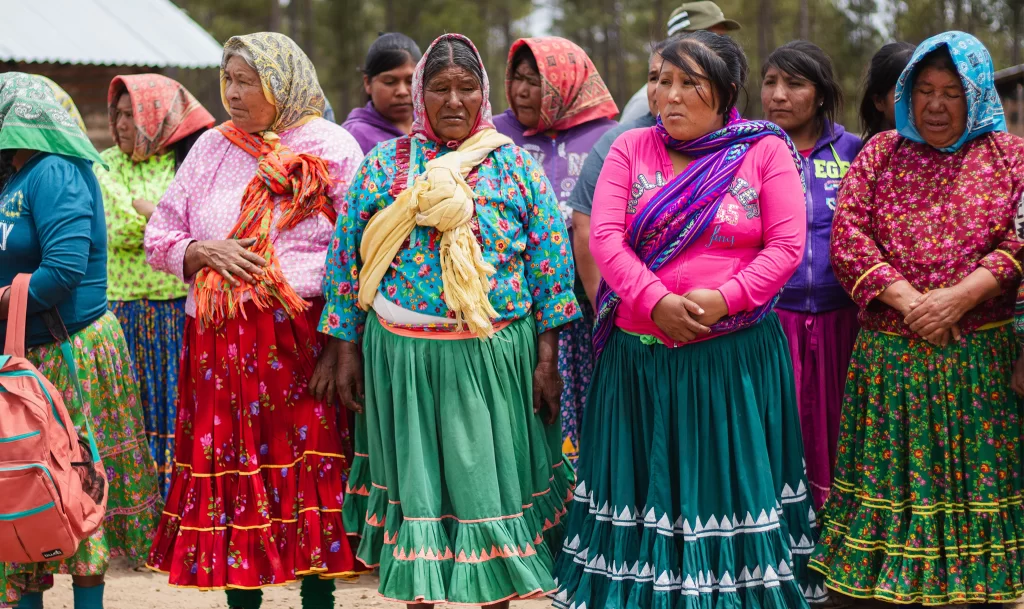
Who are the Rarámuri?
The name Rarámuri means “light feet” in their native language. They are famous for their ability to run long distances in mountainous terrain. Such is the case of Maria Lorena Ramireza native Sierra runner and world-renowned ultramarathon runner, who keeps alive the tradition of running in huaraches and traditional dress. This practice inherited by generations reflects her endurance and adaptation to the harsh conditions of the region.
The process of creation of the Rarámuri dolls
The elaboration of these dolls follows precise steps, combining tradition and creativity:
- Collection of materials: Thin, flexible branches are used for the body and wool from sheep raised in the region.
- Preparation of the base: The wood is carved and sanded to form the body of the doll.
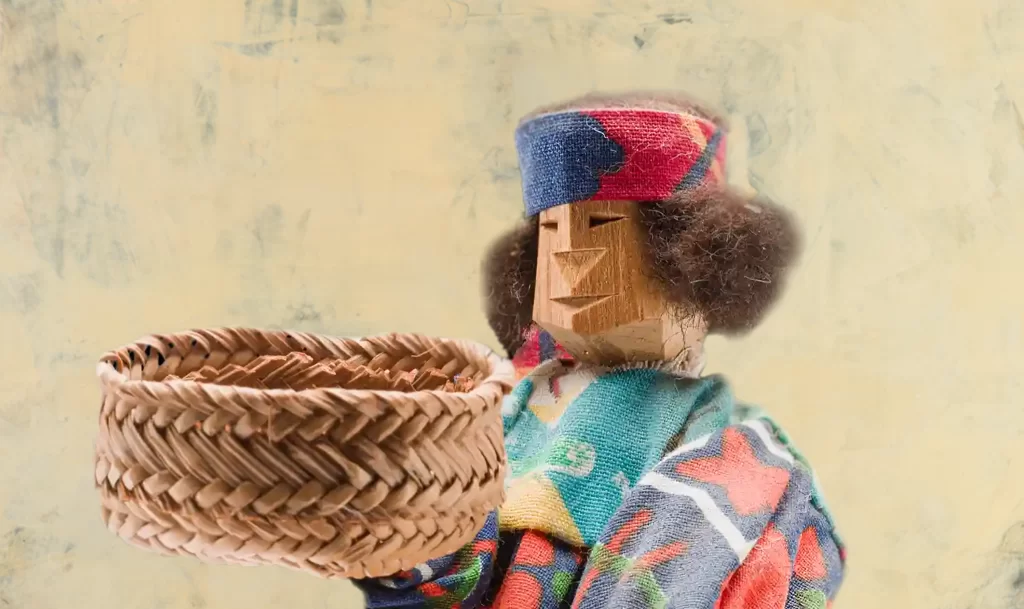
- Clothing: Clothes are made from scraps of brightly colored cloth and wool is used for hair and ornaments.
- Final details: Faces are embroidered and accessories such as necklaces, belts or instruments representative of Rarámuri life are added.
Each doll is unique and reflects the locals’ vision of their way of life.
The doll as an expression of identity
Beyond their beauty, the Rarámuri dolls are a tangible reflection of the cultural identity of this people. Each piece tells a story and conveys the way of life of their community. Purchasing a doll means supporting local artisans and contributing to the preservation of their heritage.
These figures also symbolize cultural resistance in the face of exploitation, violence and external pressure. They represent an art deeply connected to the land, to tradition and to the struggle for self-determination of the Rarámuri.
Rarámuri handicrafts: beyond dolls
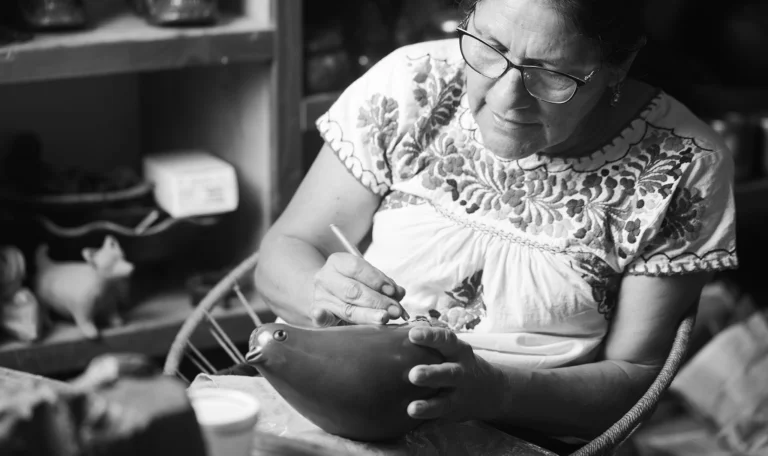
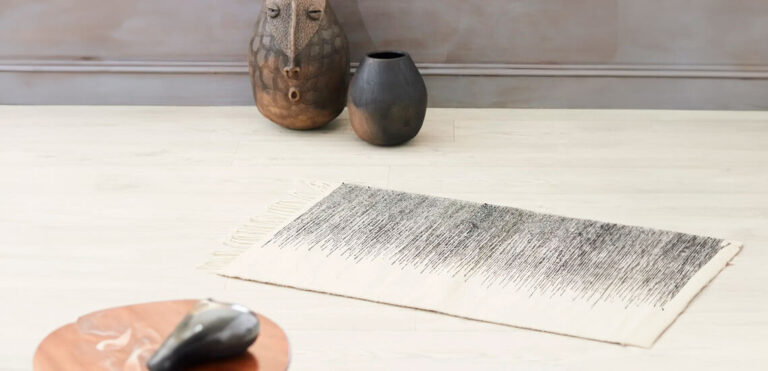
In addition to dolls, the Rarámuri create a wide variety of handicrafts, such as baskets, clay pots, textiles and musical instruments. These parts have practical functions: heating food, storing liquids or preserving products. Their engobes come from the same local clay and are reinforced with deer or wild boar skins, demonstrating ingenuity and respect for natural resources.
Preservation and promotion of the Rarámuri culture.
Supporting Rarámuri culture means promoting sustainable development, guaranteeing education and access to basic services, and respecting their lands and traditions. Encouraging fair trade and valuing their art nationally and internationally is essential for this ancient culture to remain alive and with dignity.
A legacy that inspires
Rarámuri dolls are symbols of identity, resilience and connection to the land. Through their craftsmanship, the Rarámuri teach us the importance of preserving our roots, respecting the culture of others and caring for the natural environment. Each piece is a legacy that inspires us to build a more just and sustainable world.