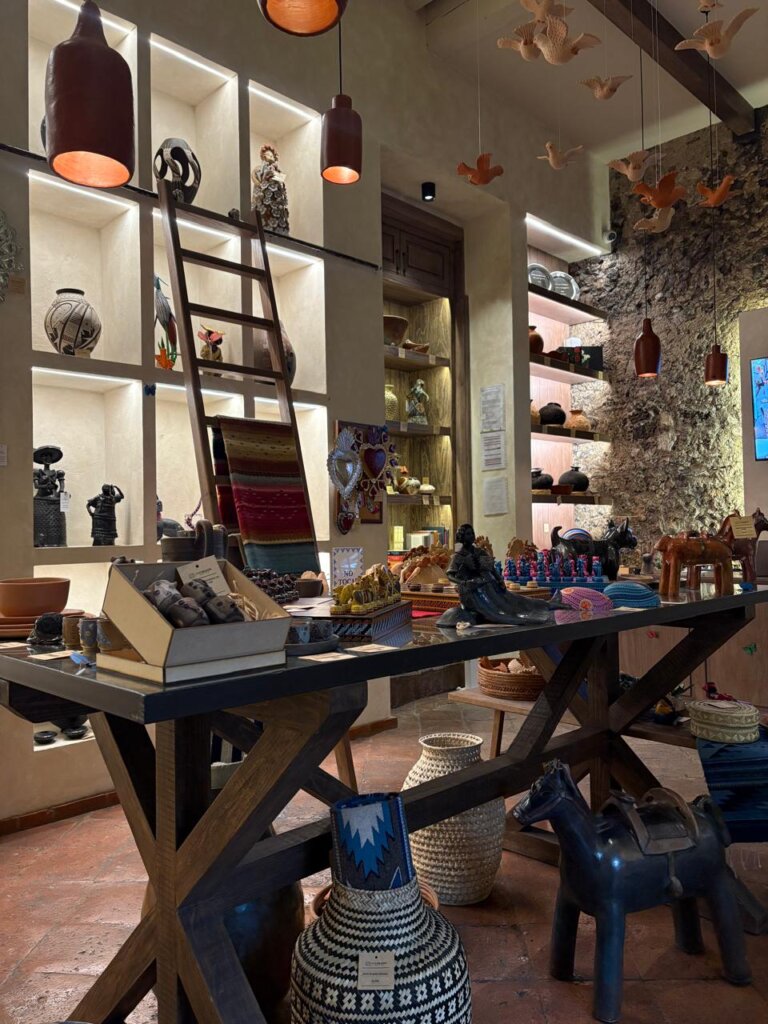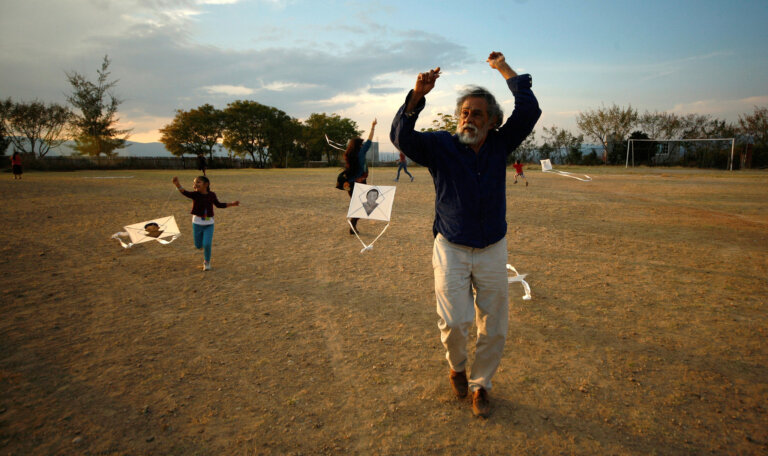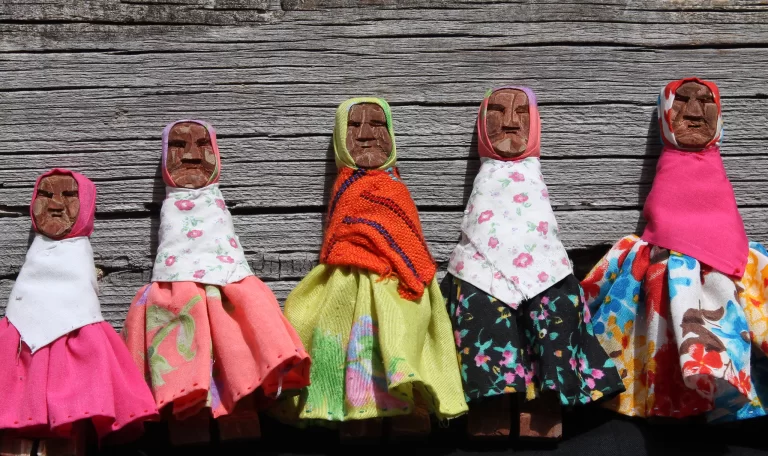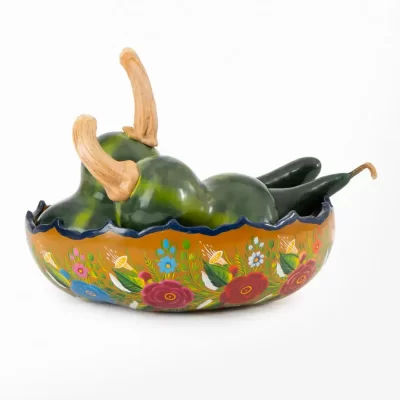
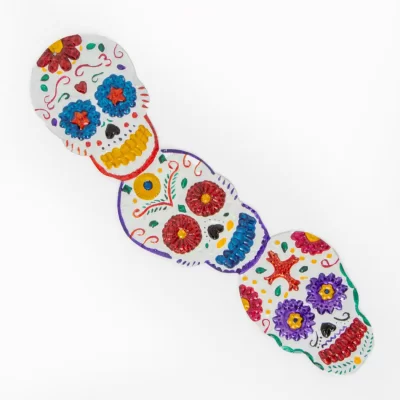

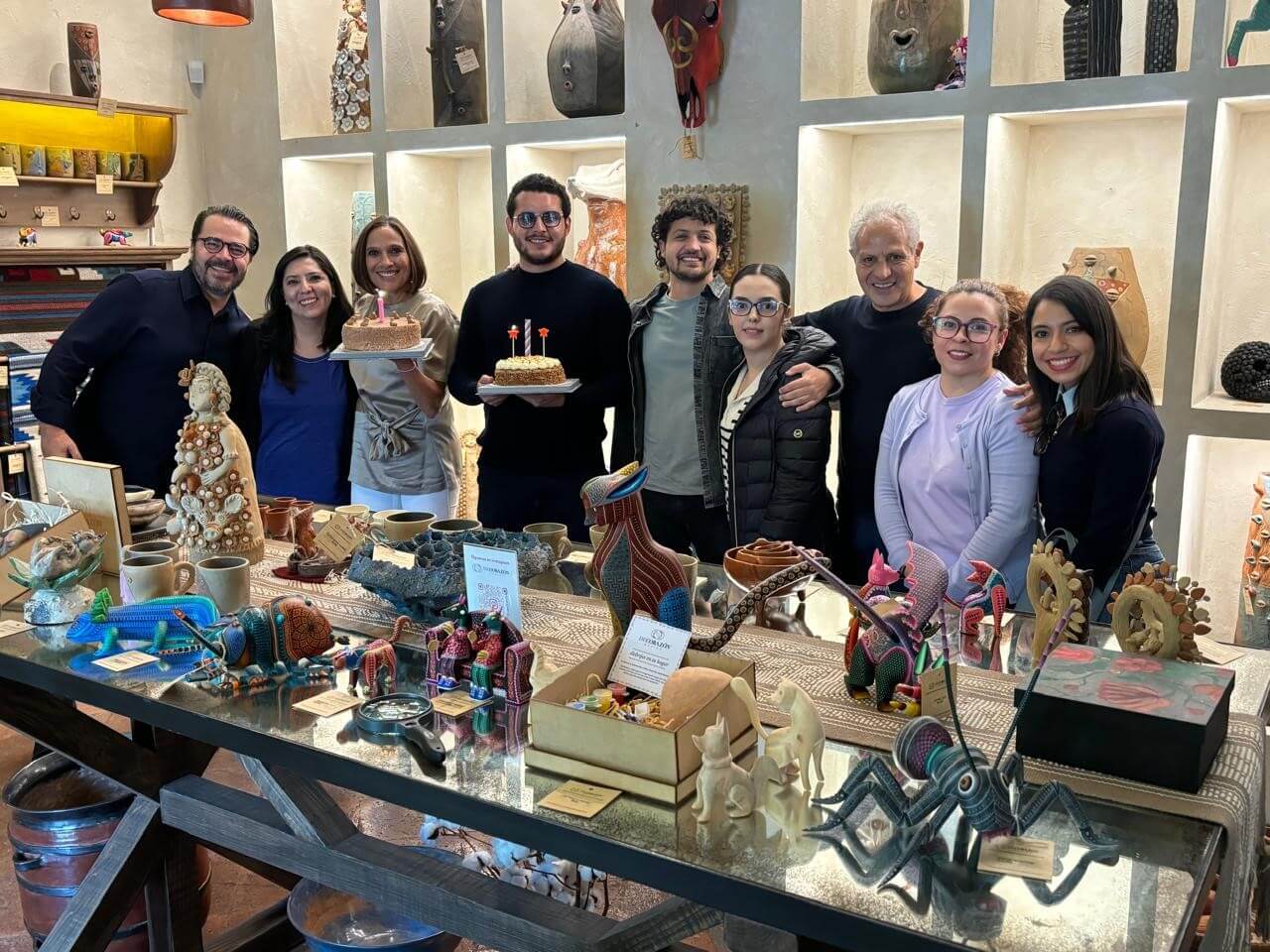
For this blog we talked with Daniel and Sebastián Velasco, co-founders, along with their parents, of DeCorazón México gallery. In this interview they share with us how the project was born, what it means to them to work with artisans from different communities and the challenges they have faced as a team. They also tell us about the essence that guides the gallery and the dreams they have for the future.
Table of Contents
The beginnings of DeCorazón México
How was the DeCorazón México project born and what led you to choose Mexican art as the main focus?
Daniel: The project began when Sebastián, my brother, went to Oaxaca for a while. There he had a very strong first contact with artisans, and that experience was the seed. Based on what he experienced, my parents, Sebastian and I came up with the idea of opening a gallery that would bring together high quality pieces, combining the best of each of us: my part focused on commerce, Sebastian’s cultural knowledge, and my parents’ vision and experience.
Sebastián: Yes, and it was also born out of the need to disseminate the work of artisans and show other sides of Mexican craftsmanship, from a more personal, intimate and experimental side, something that was hardly known in Mexico City.
Daniel: Along the way we realized that, despite the extraordinary nature of their pieces, many of them did not have a space to be shown. Contact with the city is not always easy, and we felt that they needed a worthy place where they could be exhibited. That is how DeCorazón México was born.
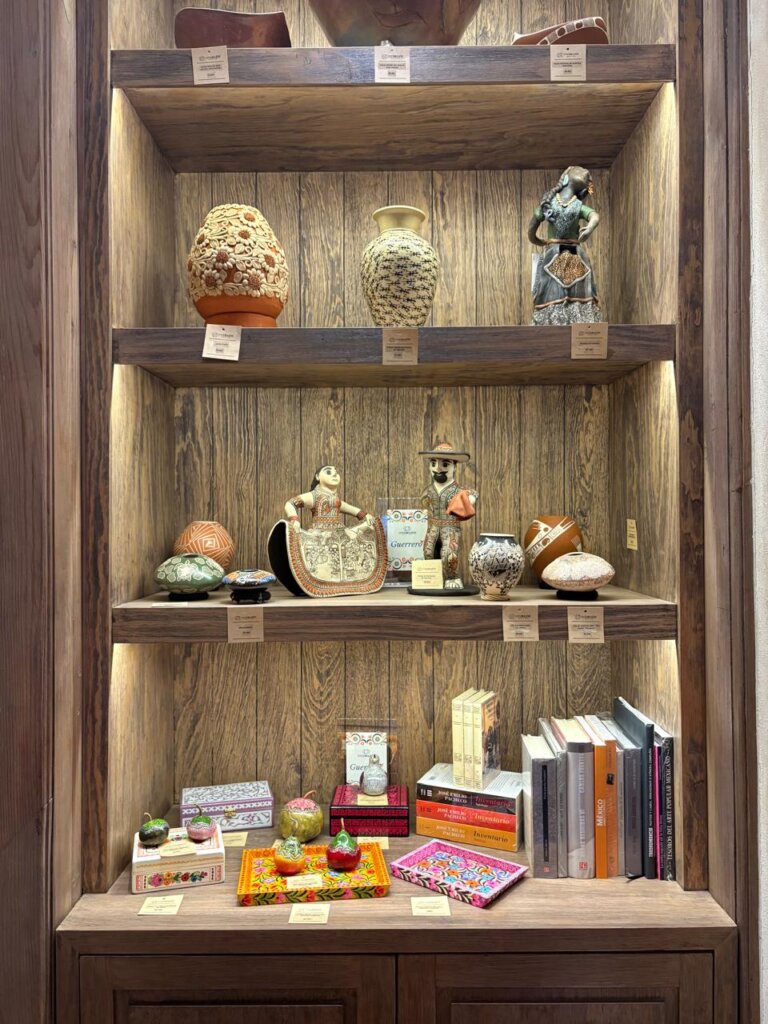
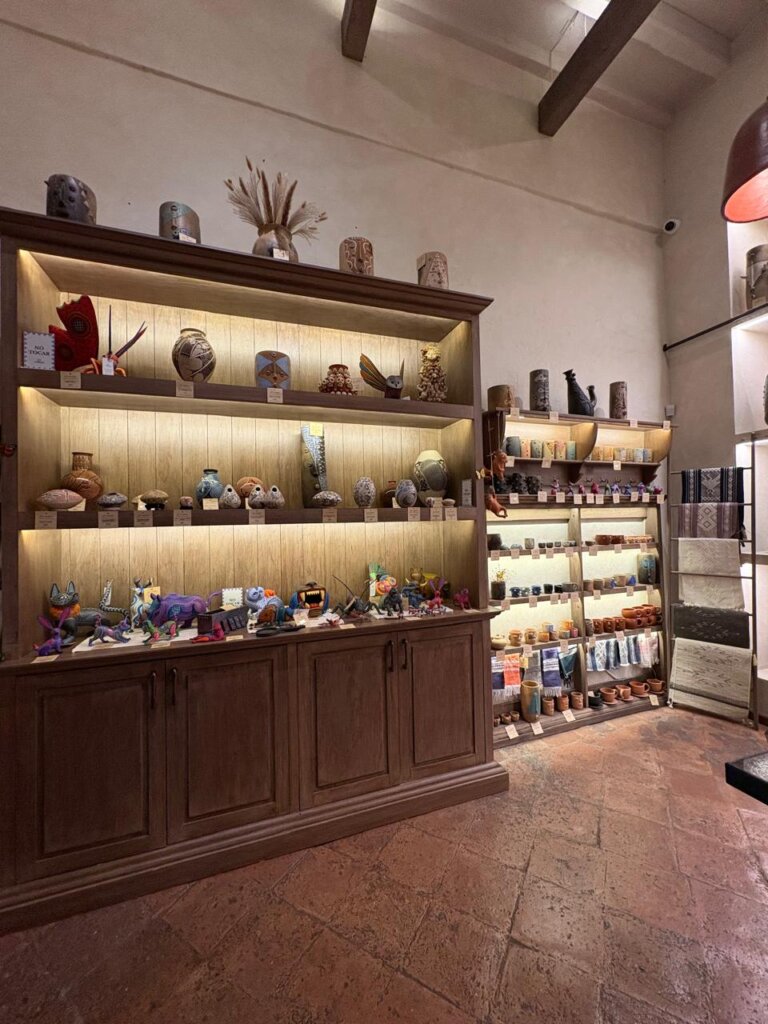
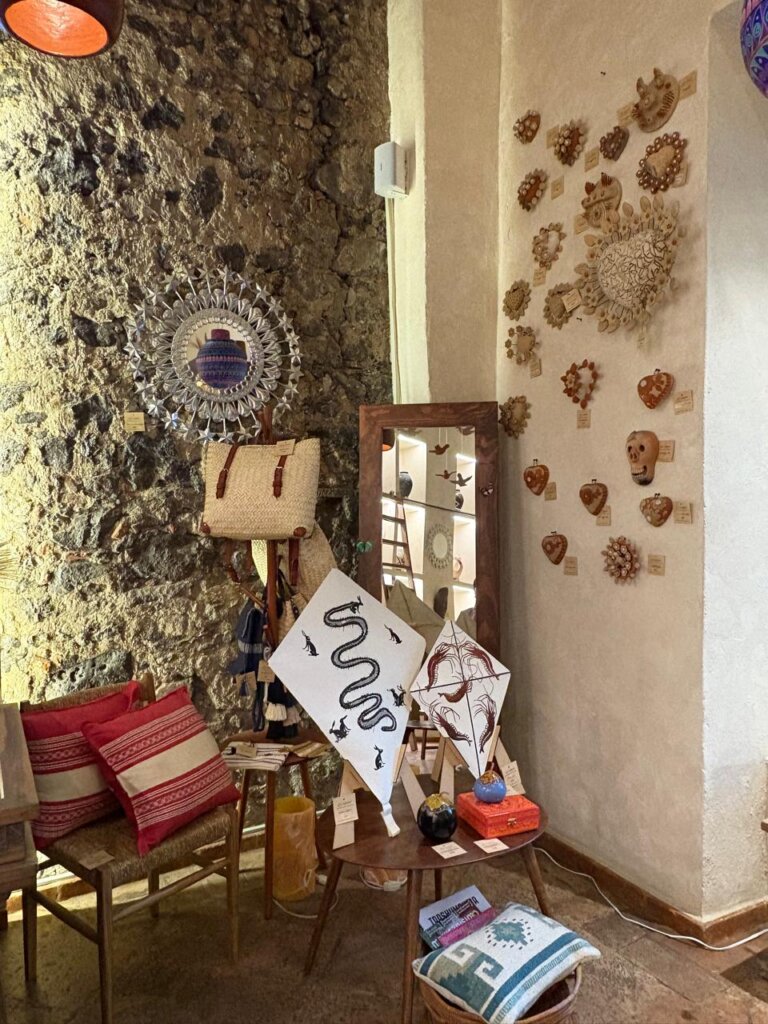
What does “DeCorazón México” mean to you?
Daniel: The name reflects that all the pieces are made from the heart. The artisans work with techniques that are passed from generation to generation, and you can feel that in each piece.
Sebastián: For me it also means a space for dissemination and research. It is a search for other ways of looking at artisanal work, of recognizing innovation and the history behind artisanal techniques.
What was the first piece that marked the beginning of the project?
Daniel: For me it was an alebrije Quetzalcoatl, made by Don Juan.
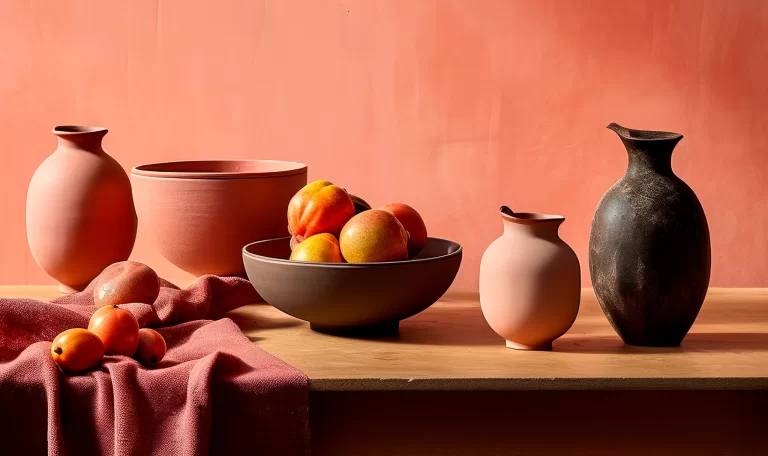
Sebastián: Yes, the alebrijes were a great start, but for me I was also very impressed by the work of the women who make red clay. When I saw them working I fell in love with their craft, how the technique is connected to their day to day life. That’s when I knew I liked the idea of spreading the work and the technique.
What challenges do you remember from those early days and how did you overcome them?
Daniel: One of the biggest challenges was the organization: communicating with the artisans, building trust and making them see us not only as sellers, but as someone with whom they could build community. It was also a challenge to position the gallery as a quality space and not just another store.
Sebastián: I agree. Building trust with the artisans was complicated, and also finding different pieces to make a curatorship that really stood out. In addition, we had to make the clients understand the value of the pieces and recognize the craft and work behind each one.
The present and the essence
What motivated you to incorporate pieces from different states of the republic?
Daniel: We saw that there was no store that brought together pieces of so much work from different states of Mexico. We wanted to show that diversity and richness in the same space.
Sebastián: And it was also out of curiosity. As we began to discover different styles in each region, we understood that behind each object there is a way of life. For example, the bules from Guerrero, which were used to carry water through the mountains, show how art reflects the history and daily life of a people. I find that interesting, and it does allow you to learn a little more about the culture.
What do you seek to convey through the selection of pieces in the gallery?
Daniel: That they are quality pieces, that even we would like to have at home, and that reflect how wonderful Mexican art is.
Sebastián: We also transmit the personal expression of the artisans. There are pieces that, for example, have little faces with tears, and we think that maybe the artisan was sad that day. That is what we are looking for, pieces that reveal the emotions and imaginaries with which they grew up.
What has it been like working with Mexican artisans and artists?
Daniel: It has been complex, but very rewarding. At the beginning, the hardest part was gaining their trust, but over time we managed to build a genuine bond.
Sebastián: Yes, because we want to do everything with respect, but we know that not all galleries have such fair practices. We are always looking for a respectful and fair trade.
Do you have a special story with an artist or client that has marked you?
Daniel: Yes, we remember a customer who first bought an alebrije praying mantis one weekend. He liked it so much that, the following Monday, by eight in the morning he was already waiting for us to open to buy Don Juan’s Quetzalcoatl. It was amazing to see how he fell in love with the piece and created such a strong bond with it.
Sebastián: For me it was when we visited the community of women of the red mud. They welcomed us with tejate[1] while they told us about their work and lit the kiln to fire the pieces. That day confirmed how much I wanted to learn more about this type of work.
Of all this journey, what has been the most beautiful thing that this experience has left you with?
Daniel: Meeting the artisans and their families, visiting their workshops, learning about their techniques and sharing their daily lives. It has been incredible to travel and have that direct contact. I never imagined I would dedicate myself to this, even though I have been fascinated by handicrafts since I was a child. Today I really enjoy selling them because I feel it as something natural, besides the fact that we have always had a bond with them, since we were little, my parents used to buy many Mexican handicrafts.
Sebastián: I would say understanding the reality of the people. You arrive with an idea and discover different practices that change your way of thinking. It is also very special to see how artisans evolve in their work and share their new techniques.
Dreams for the future
What are your dreams for DeCorazon Mexico in the coming years?
Daniel: Everyone has their own vision. In my case, in the short term I would like to open three branches, including one in Oaxaca as the main headquarters. And in the long term I dream that DeCorazón México will be international, with a De Corazón Worldwide in Spain, to bridge the gap between Mexican and Spanish craftsmanship.
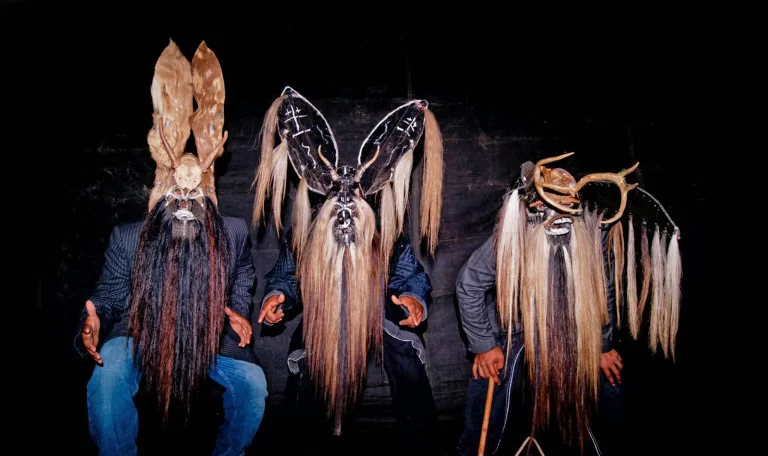
Sebastian: I agree. Our dreams are different, but they go hand in hand. I am interested in creating an area of cultural diffusion where we talk about the practices of the people: chinelos, tiliches, rubios, calendas, convites… all those traditions that are all over the country.
What message would you give to those who still do not know DeCorazon Mexico?
Daniel: We encourage you to get to know us. To enter the gallery is to immerse yourself in the cultural richness of Mexico. We want to be a place that inspires and connects with what art made from the heart means.
Sebastián: I would tell them to come and visit the gallery because we try to do everything with respect and with a curatorship that is always looking for new proposals. What you see here are pieces with years of tradition and dedication behind them, it’s like any other career.
At the end of the conversation, Daniel and Sebastián took the opportunity to deeply thank all the people who have made this journey possible: the artisans, for opening the doors of their workshops and trusting them; the DeCorazón México team, who every day put their talent and energy into the project; their parents, Esperanza Rallo and Javier Velasco, who have been an inspiration and constant support; and, of course, all the clients who have joined DeCorazón México, valuing and celebrating art made from the heart.
[1] Tejate: Tejate is a traditional Oaxacan beverage made from corn and cocoa. Its origin dates back to pre-Hispanic times, when it is believed to have had a mainly ceremonial use.