
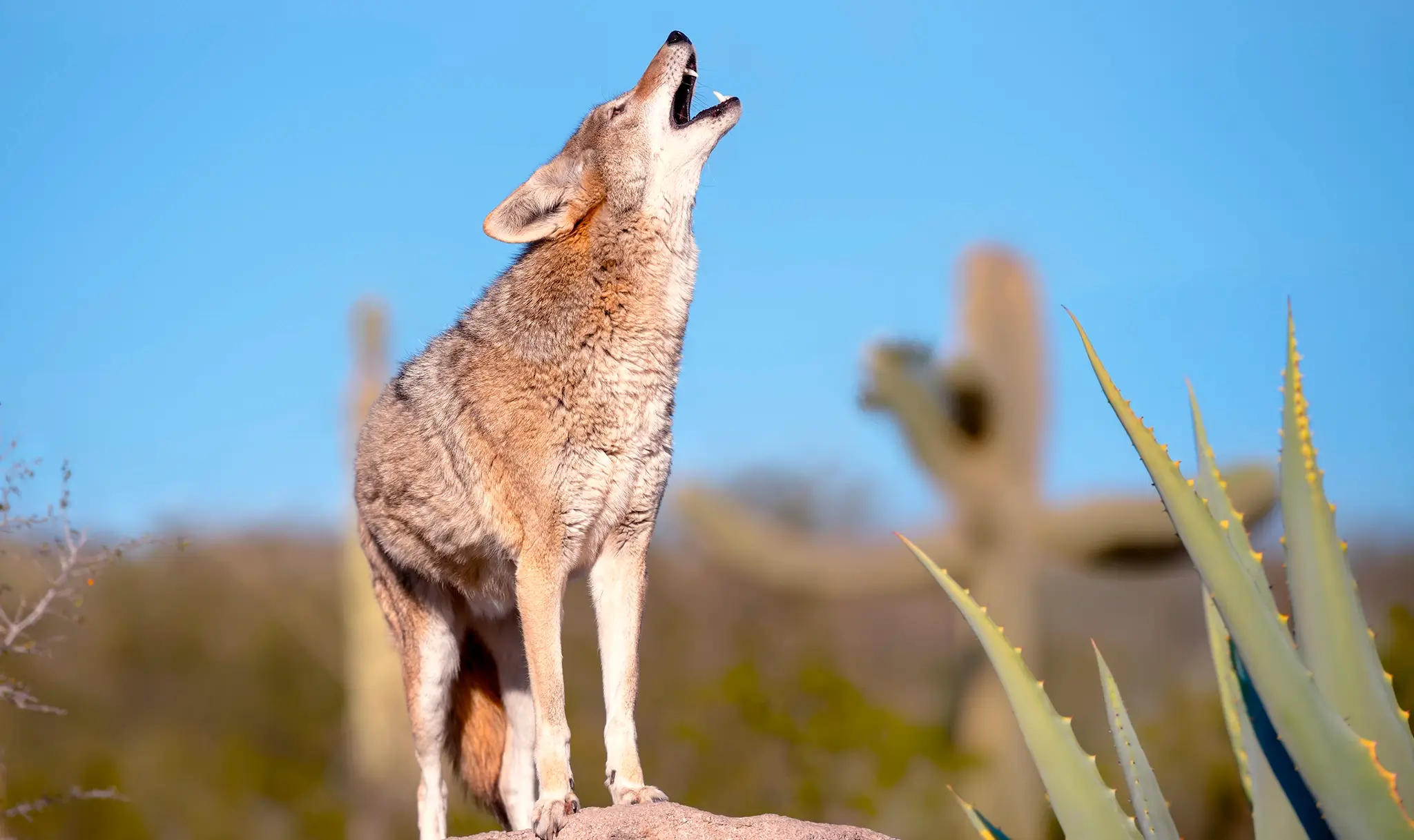
Discover the meaning of the coyote in the Zapotec worldview, its ancestral symbolism, its connection to mezcal, and its magic in the alebrijes of Oaxaca.
The Coyote in the Zapotec Worldview: Symbolism, Mezcal, and Alebrijes
Introduction
In the Zapotec worldview, the coyote represents much more than a wild animal; it is a guardian of ancestral wisdom, a spiritual guide, and a symbol of cunning and intelligence. For lovers of handicrafts, understanding the origin and meaning of this figure is essential to fully appreciating the value of the pieces they acquire.
In this article, we will explore the spiritual depth of this canine within the Zapotec culture of Oaxaca. We will analyze its mythological connection, its intrinsic relationship with mezcal, and how its spirit is masterfully embodied in the alebrijes—true gems of Mexican craftsmanship.
Table of Contents
The Coyote in the Zapotec Worldview
To understand the role of the coyote in the Zapotec worldview, we must go back to the concept of “Tona,” one of the pillars of pre-Hispanic beliefs. It is the protective animal assigned to each individual at the moment of birth; Its form was carved from copal wood and hung around the newborn’s neck, shaping their personality and destiny (Peyoyte people, 2022).
The coyote, as a protective spirit, bestows the qualities of survival, mental acuity, and a deep connection to the earthly and spiritual worlds. It is considered a liminal being, capable of moving between light and darkness, acting as a bridge between the gods and humankind.
In ancient codices and in the oral traditions of indigenous peoples, this animal is frequently associated with the deity Huehuecóyotl, the Old Coyote, who represents music and dance (Rodríguez Valle, 2013). Therefore, in the Zapotec worldview, the coyote is not feared but deeply revered as a master of adaptability.
Ancestral Symbolism Among the Peoples of Oaxaca
In the vast and rich region of Oaxaca, communities have passed down stories about the coyote’s exploits from generation to generation. This animal symbolizes practical intelligence, problem-solving skills, and a protective instinct toward family and community.
The Zapotec culture has a deep respect for nature, and the coyote is seen as a guardian of the mountains and valleys. Its nighttime howl, far from being an omen of danger, is interpreted as a song that maintains the balance of nature and pays homage to the moon.
The Relationship Between the Coyote and Sacred Mezcal
One of the most fascinating associations is the relationship between the coyote and mezcal, Oaxaca’s quintessential spirit. According to local legends, the coyote is the guardian of the wild maguey fields, protecting the sacred plants from evil spirits.
It is said that, in the Zapotec worldview, the coyote guides master mezcal makers to the ripest and most hidden agaves in the mountains. For this reason, it is common to find the figure of the coyote adorning traditional palenques or being mentioned in toasts that pay tribute to the land and the ancestors.
The Coyote in Contemporary Crafts
The rich spiritual heritage of this animal has found its highest visual expression in the folk art of Oaxaca, particularly in the alebrijes. Copal wood carvers in communities such as San Martín Tilcajete and San Antonio Arrazola have captured their worldview in these figures.
Today, contemporary crafts have elevated this tradition to the level of fine art. The pieces no longer merely represent the animal’s anatomical form; they are decorated with intricate patterns and symbolism that tell the story of an entire cosmogony. Every dot, line, and color has a specific meaning related to rain, the sun, the earth, and the underworld.
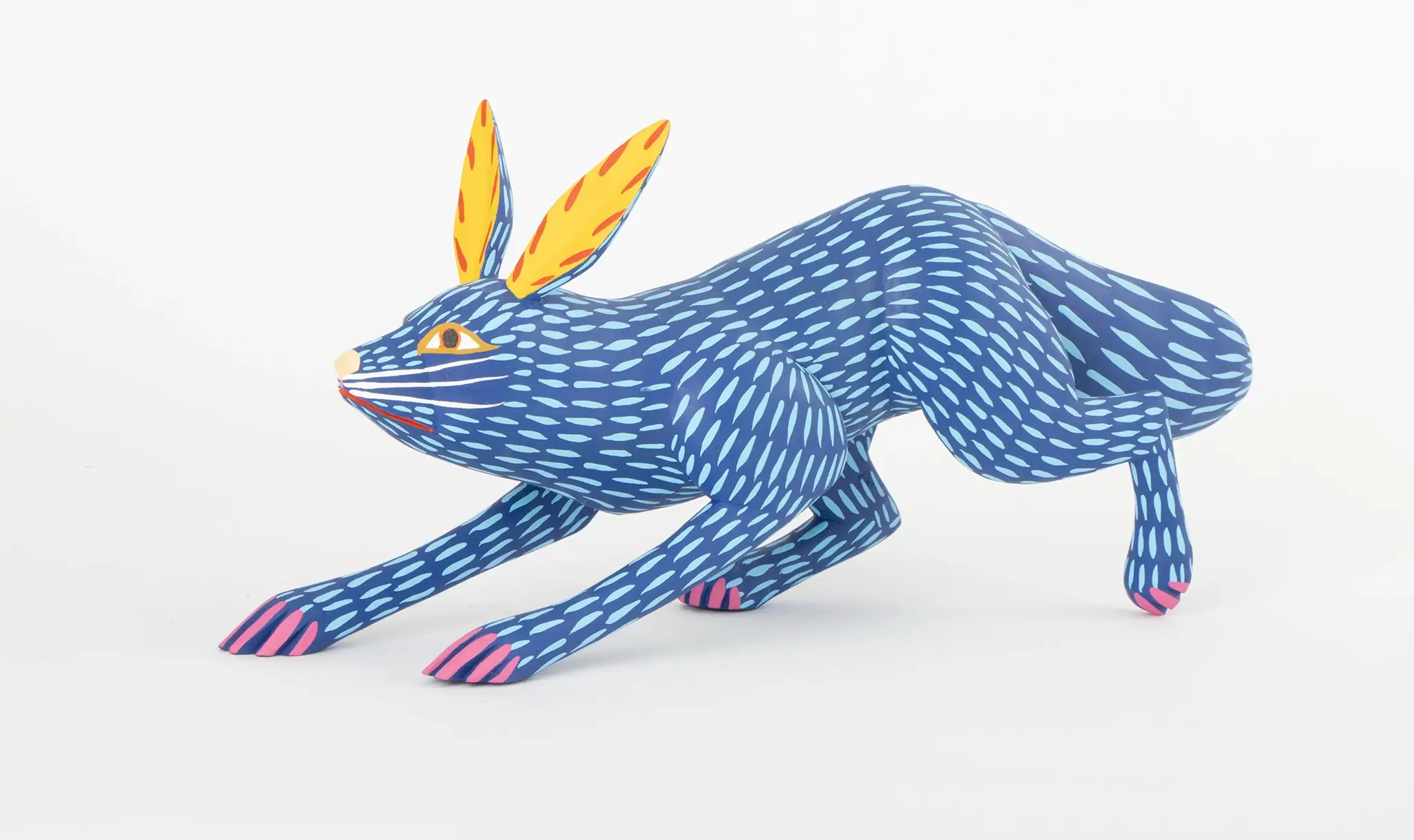
Blue Coyote Alebrije by DeCorazón México
At DeCorazón México, we offer the Blue Coyote Alebrije, a masterpiece that is not merely a decorative item; it is the tangible embodiment of a profound spiritual belief.
The blue color of this piece represents water, a vital element in the central valleys of Oaxaca. Its design draws inspiration from the earliest alebrijes crafted in the region, where free-flowing brushstrokes lend the painting a sense of fluidity and life.
Key Features of the Blue Coyote Alebrije:
LIST:
- Hand-carved from copal wood using traditional techniques.
- Meticulous painting that requires weeks of dedication.
- A one-of-a-kind fair-trade piece that directly supports local artisans.
FREQUENT QUESTIONS
What does the coyote represent in the Zapotec worldview?
In the Zapotec worldview, the coyote represents cunning, wisdom, and adaptability, and serves as a spiritual guide or “Tona.” It is considered a guardian of the forests, a protector of the agave fields, and a mediator between the physical and spiritual worlds.
Why is the coyote associated with mezcal in Oaxaca?
In the oral tradition of the Oaxacan people, the coyote is considered the protector of the wild maguey fields. Legends state that the spirit of the coyote guides master mezcal makers in the mountains to find the best and most mature agaves for the distillation of sacred mezcal.
What is the significance of giving an alebrije shaped like a coyote?
Giving a coyote alebrije, such as the Blue Coyote, symbolizes wishing someone protection, mental sharpness to overcome obstacles, and intuition. It is a deeply meaningful gift within Zapotec culture, ideal for leaders or people facing new challenges.
Conclusion
Understanding the significance of the coyote in the Zapotec worldview allows us to view Mexican crafts with a new perspective of deep admiration and respect. These are not simply pieces of painted wood, but modern codices that preserve the history, myths, and soul of the Oaxacan people.
Exceptional pieces such as the Blue Coyote Alebrije by DeCorazón México keep this ancestral connection alive, allowing collectors and art lovers from around the world—from Mexico to France—to bring a piece of Oaxaca’s spirit and wisdom into their homes.
We invite you to discover the magic and mysticism behind each of our pieces. Visit the DeCorazón México online store today and find the alebrije that resonates with your spirit and transforms your space with the authentic energy of Zapotec art.
References
Peyote People. (December 5, 2022). Blogs. What Are the Tonas and Nahuales? A Brief Description of the Concepts. Retrieved from https://peyotepeople.com/blogs/que-son-los-tonas-y-nahuales-breve-descripcion-de-conceptos/que-son-los-tonas-y-nahuales-breve-descripcion-de-conceptos
Rodríguez Valle, N. (2013). The Coyote: An Ambivalent Protagonist in the Mexican Imaginary. Revista de El Colegio de San Luis, 3(6), 146–163. Retrieved September 3, 2026, from https://www.scielo.org.mx/scielo.php?script=sci_arttext&pid=S1665-899X2013000200009